
PRESS RELEASE
Kazakhstan Presents 34 Investment Agreements at COP31
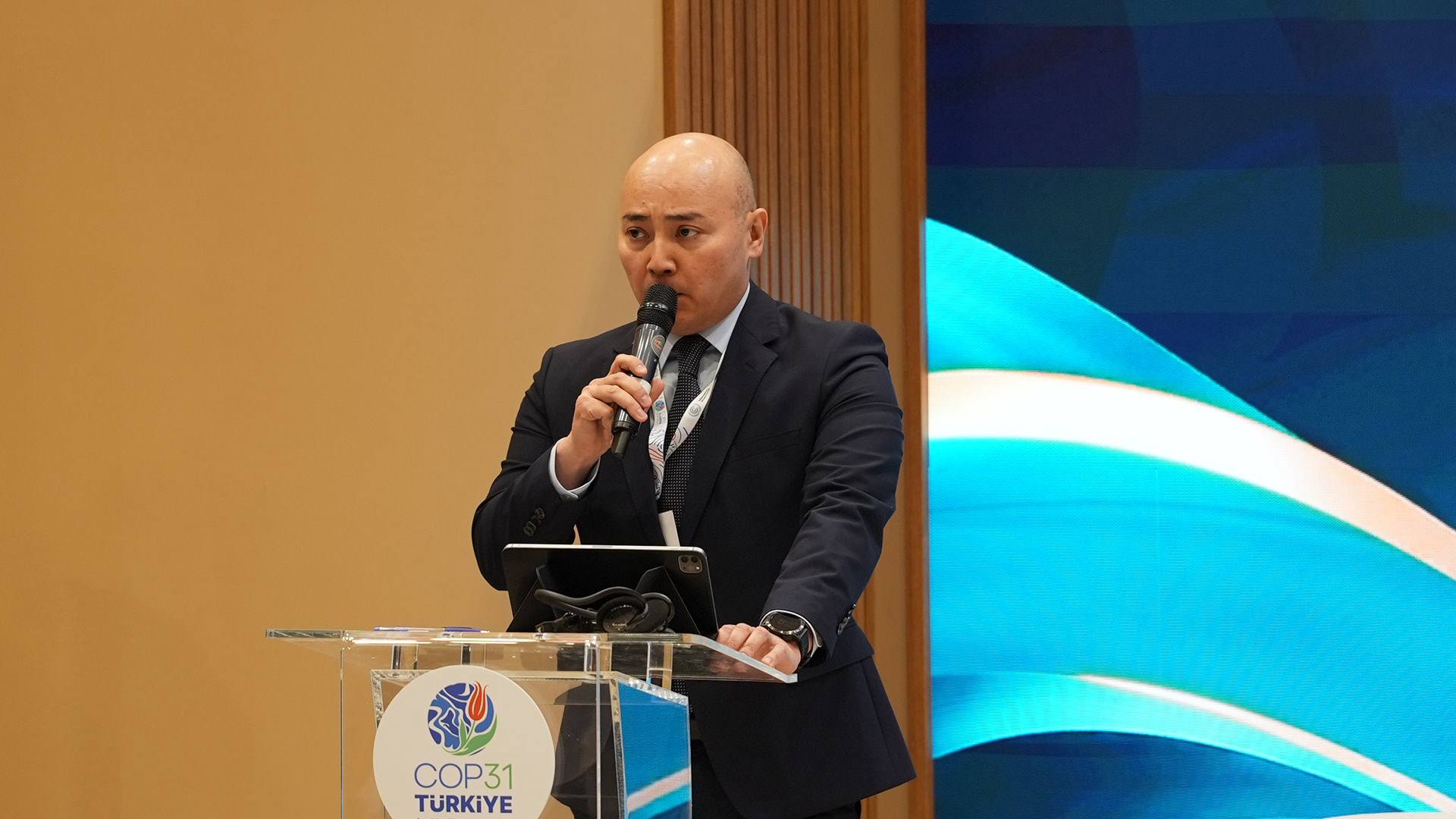
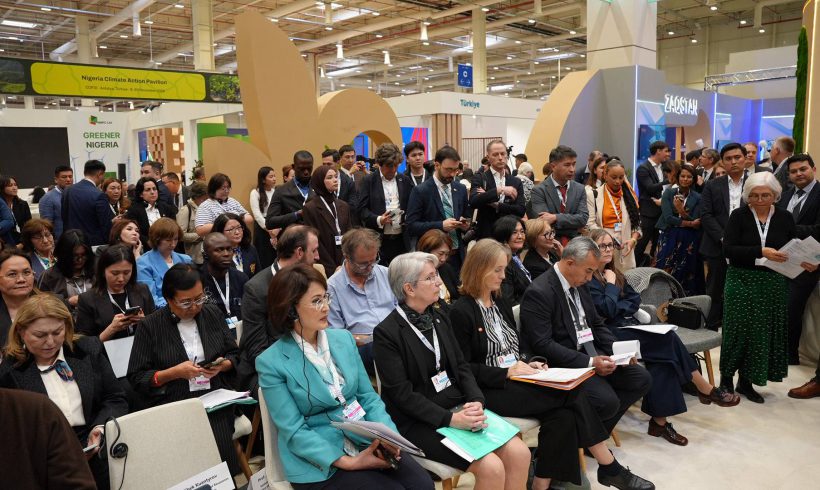
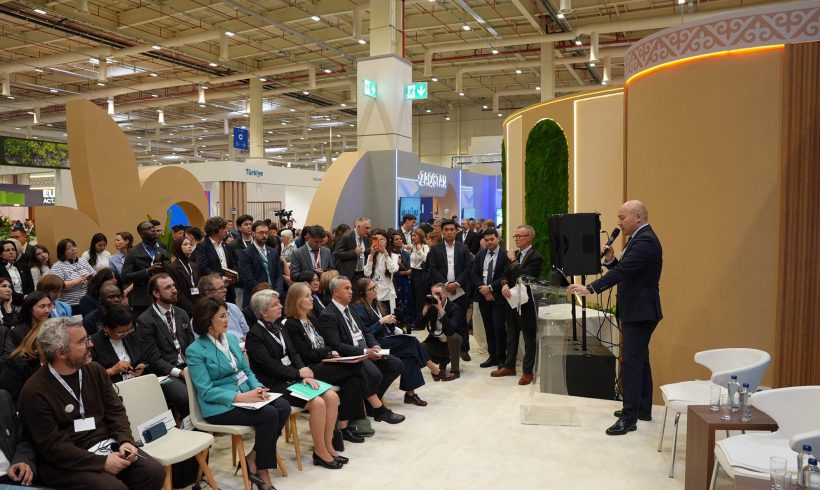
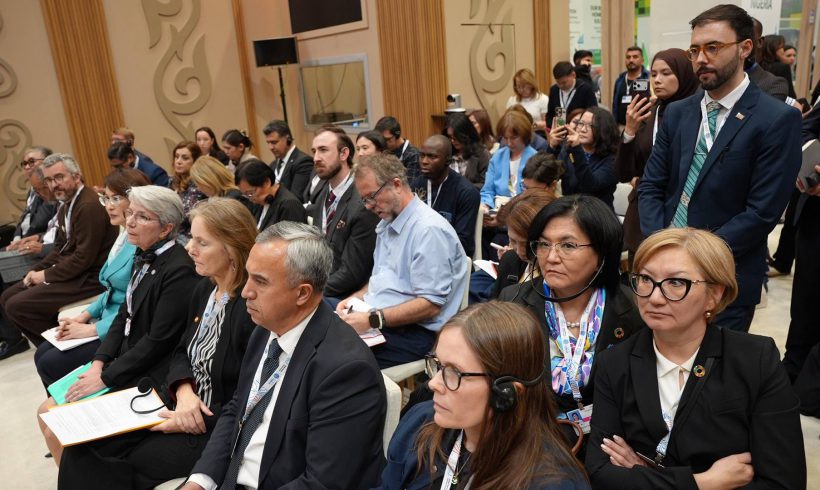
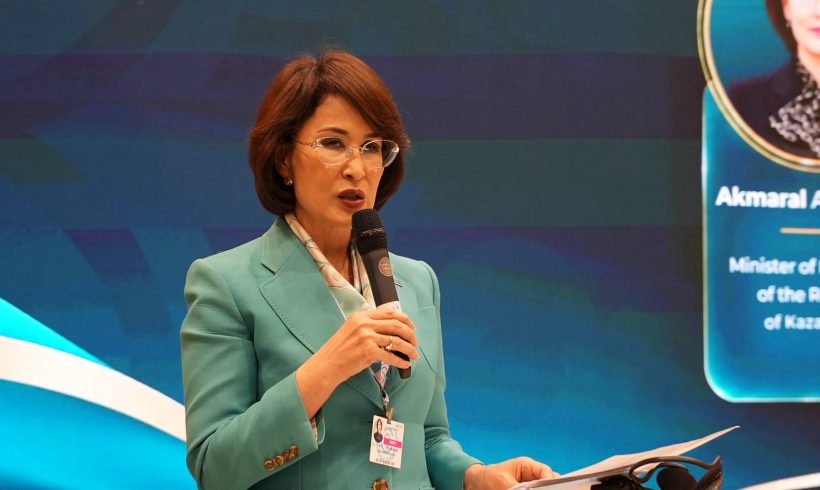
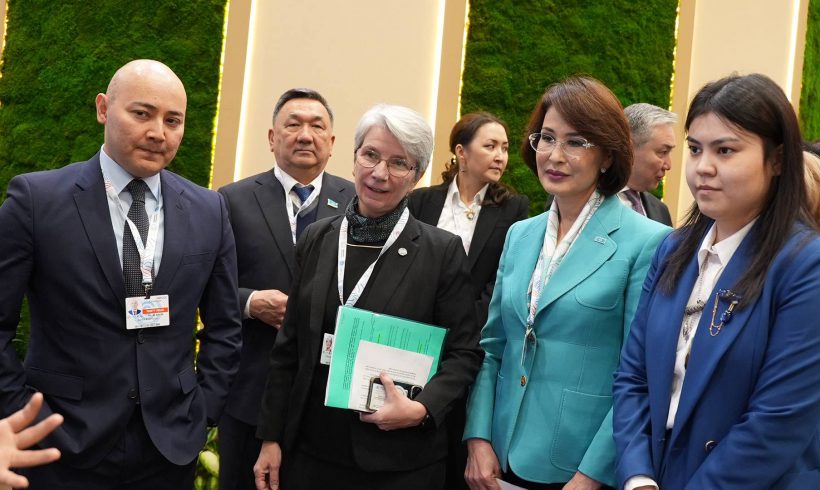
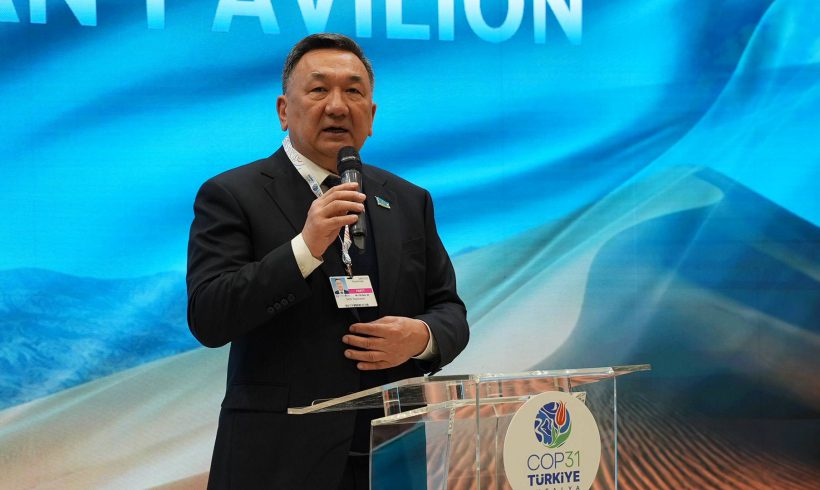
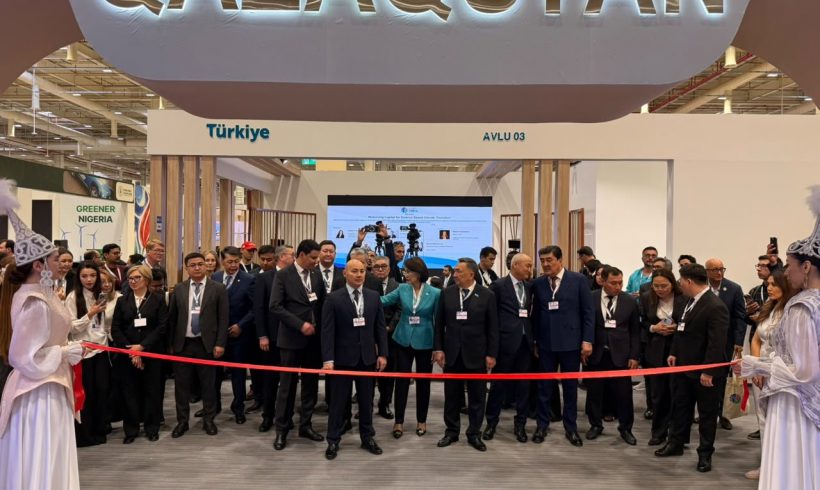
The official opening of the National Pavilion of the Republic of Kazakhstan at the 31st Conference of the Parties to the UN Framework Convention on Climate Change (COP31) took place today in Antalya. The opening ceremony was attended by Serik Yegizbayev, Chairman of the Committee on Agrarian Issues, Ecology, and Natural Resources of the Kurultai; members of the Kazakhstan Khalyk Kenesi; Alibek Kuantyrov, Minister of Ecology and Natural Resources of the Republic of Kazakhstan; and Akmaral Alnazarova, Minister of Healthcare of the Republic of Kazakhstan. The pavilion has become an international platform for showcasing the country’s environmental achievements, promoting green technologies, and expanding investment cooperation.
Kazakhstan’s participation in COP31 is aimed at strengthening international partnerships, attracting investments, and promoting practical solutions for sustainable development. Today, the global climate agenda is transitioning from general commitments to concrete economic decisions, technological cooperation, and the scaling up of green finance.
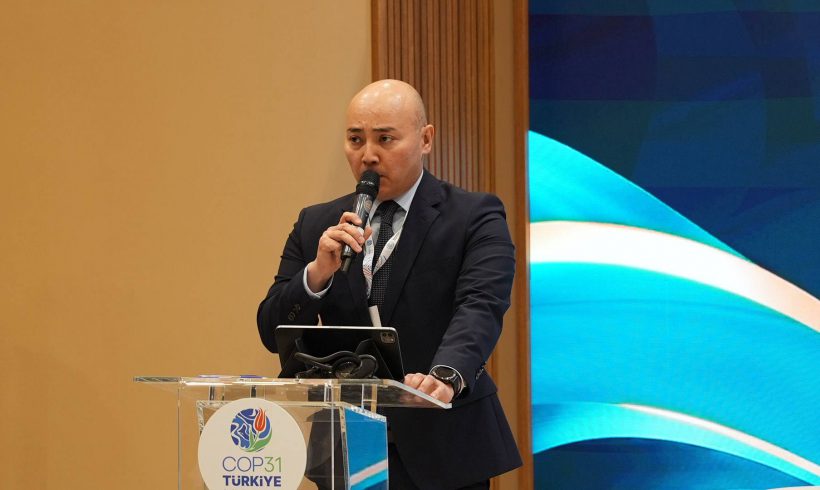
“For Kazakhstan, COP31 provides an opportunity to present national priorities, share achieved results, and contribute to shaping joint solutions for a sustainable future. We view this platform not only as a space for exchanging views but, above all, as an opportunity to move from dialogue to concrete actions and measurable results,” noted Alibek Kuantyrov, Minister of Ecology and Natural Resources of the Republic of Kazakhstan, during the pavilion’s opening ceremony.
The concept of the National Pavilion – “Connection of Times: Past, Present, Future”- reflects the continuity of Kazakhstan’s natural heritage and modern technological solutions. The 250-square-meter space is designed in an open architectural style that conveys the scale and vastness of the Kazakh steppe.
Artificial intelligence personified as the Turan tigers “Umit” and “Amur” serves as one of the digital guides for the pavilion. This interactive format allows international guests to explore Kazakhstan’s environmental initiatives and technological projects in various languages.
The exposition demonstrates the country’s achievements in preserving biodiversity and restoring natural ecosystems. Key examples include the reintroduction of the Turan tiger to the wild in the Ile-Balkhash Nature Reserve, the recovery of the saiga antelope population from a critical 21,000 to a record 4.7 million individuals, as well as efforts to restore the Northern Aral Sea and create saxaul forests on the dried seabed.
A dedicated section focuses on modern green technologies and the environmental modernization of the economy. These include the “Green Shield of Central Asia” regional phytomelioration program, the KazMethane MRV national digital platform for monitoring and detecting methane leaks, industrial waste recycling technologies, and the implementation of Best Available Techniques (BAT) at enterprises.
The National Pavilion also introduces visitors to the potential of Kazakhstan’s agricultural sector and its eco-friendly products. The “Quraq Korpe” art installation highlights traditional principles of resource conservation through the modern concept of Zero Waste.
The business and investment agenda forms a major component of Kazakhstan’s participation in COP31. Throughout the conference, the pavilion is scheduled to host 38 thematic events featuring government agencies, international organizations, business representatives, and partner structures.
The program covers key areas of the climate agenda: climate finance, industrial decarbonization, the energy transition, carbon market development under Article 6 of the Paris Agreement, water security, biodiversity conservation, and the deployment of innovative green technologies.
Special attention is given to promoting national and regional initiatives, including the Kazakhstan Climate Investment Platform (QCIP), the QaJET initiative, the restoration of the Northern Aral Sea, the preservation of the Caspian Sea ecosystem, combating desertification, and the development of renewable energy.
“Today, we face a shared task: to turn climate commitments into concrete projects, investments, and technological solutions. Kazakhstan is open to new partnerships, investments, and technological cooperation. I am confident that the National Pavilion will become a launchpad for new initiatives and mutually beneficial partnerships that contribute to the sustainable development of Central Asia and the entire world,” the minister emphasized.
The opening of the National Pavilion at COP31 confirms Kazakhstan’s readiness for open international dialogue and stronger partnerships in climate policy. The country consistently advances practical solutions that integrate environmental priorities, technological development, and investment opportunities.