
PRESS RELEASE
Freedom Holding Corp. Presents Vision for Developing Carbon Credit and I-REC Markets in Central Asia at COP31
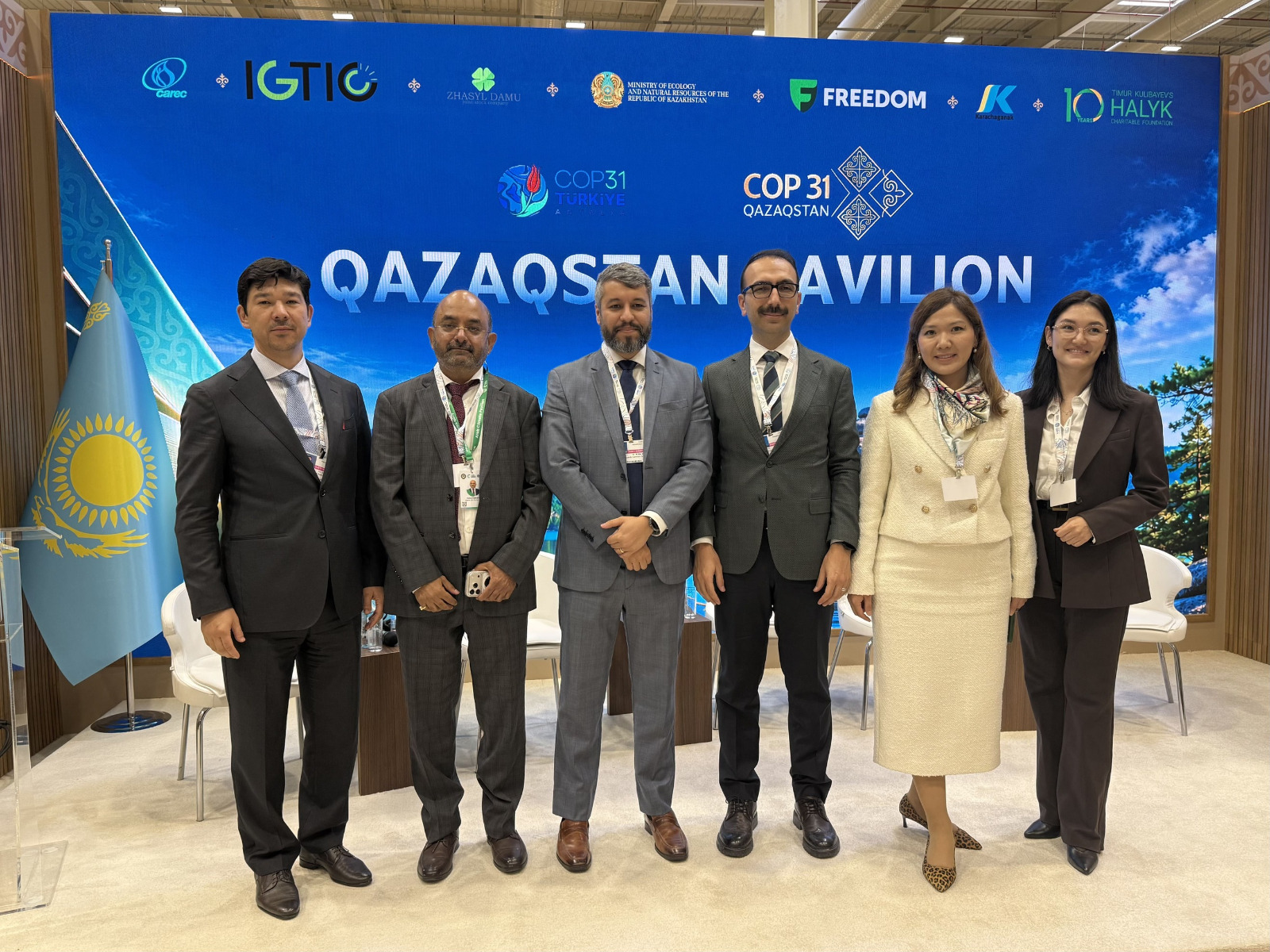
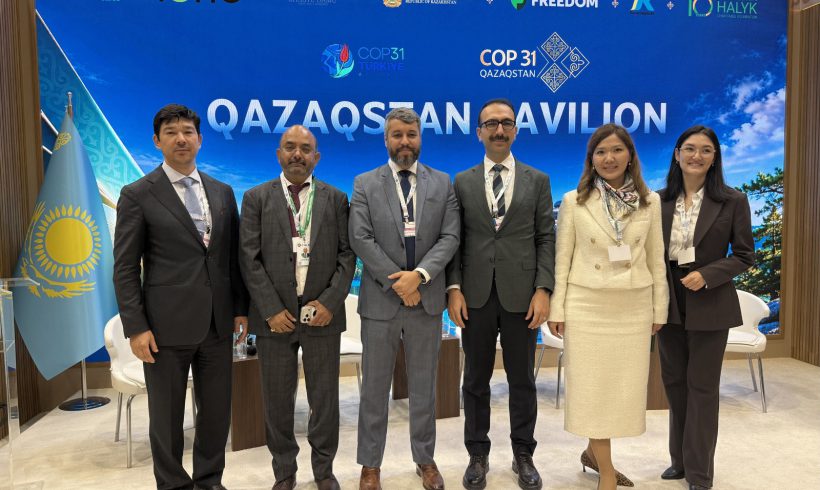
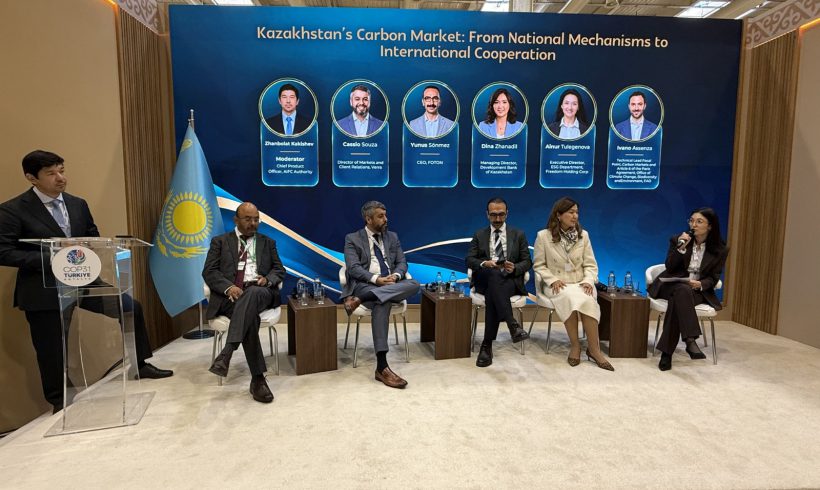
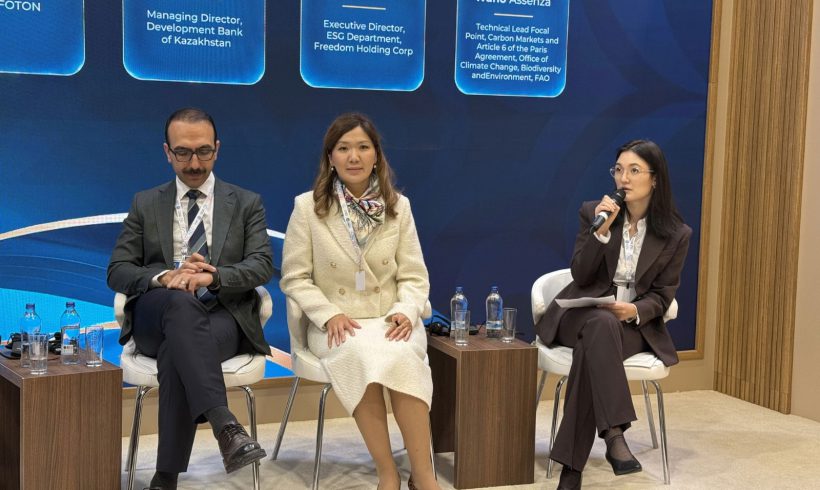
At COP31, Freedom Holding Corp. outlined its approach to climate risk management and greenhouse gas (GHG) emissions reduction, while sharing its vision for the role of carbon credits and International Renewable Energy Certificates (I-RECs) in Central Asia’s climate agenda. Ainur Tulegenova, Executive Director of the ESG Department at Freedom Holding Corp., participated in an expert panel discussion during the UN Climate Change Conference (COP31). During her remarks, she identified key barriers and practical steps required to scale the carbon credit and I-REC markets across Central Asia.
According to the holding’s representative, sustainable corporate demand for environmental instruments is impossible without increasing the climate maturity of the business sector itself. Nasdaq-listed Freedom Holding Corp. follows a pragmatic, phased approach: the company first measures its own carbon footprint (covering Scope 1, Scope 2, and material Scope 3 emissions, as well as financed emissions across its lending, investment, and insurance portfolios), then implements direct emissions reduction measures, and only afterward considers purchasing market-based instruments.
“It is fundamentally important to us that purchasing I-RECs or carbon credits is not merely a way to improve reporting metrics, but rather an integral part of a consistent, science-based climate strategy. Furthermore, we have already integrated physical and transition climate risk assessments into the risk management frameworks of our subsidiaries and are actively conducting portfolio stress testing,” noted Ainur Tulegenova, Executive Director of the ESG Department at Freedom Holding Corp.
Addressing the primary bottleneck in Central Asia’s voluntary carbon market, the speaker highlighted the gap between promising environmental initiatives and investment-ready (“bankable”) projects. To accelerate climate investments in the region, she proposed three priority areas for joint action by governments, businesses, and international institutions:
- Clear and Predictable Regulatory Framework: Advancing Kazakhstan’s existing frameworks—such as the Green Taxonomy and the Strategy for Achieving Carbon Neutrality by 2060—toward transparent rules for developing, verifying, registering, and commercializing carbon projects.
- Building a Pipeline of High-Quality Projects: Establishing technical assistance mechanisms for project developers in forestry, agriculture, and nature-based solutions to help them implement monitoring systems aligned with international standards.
- Expanding Blended Finance Mechanisms: Deploying concessional financing and risk-sharing instruments to bridge the gap between long-term environmental benefits and commercial viability. In particular, Freedom Bank Kazakhstan is currently undergoing accreditation with the Green Climate Fund (GCF), which will eventually broaden the region’s access to international climate capital.
As a key practical priority for the next 12 months, Ainur Tulegenova urged regional companies to focus on implementing systematic GHG accounting and climate risk assessments with methodological support from financial institutions. She also highlighted the holding’s successful experience engaging retail customers in the climate agenda through the Araldy Saqta debit card and the Freedom Travel service, both of which channel funds toward restoring the Aral Sea ecosystem.
About Freedom Holding Corp.:
Freedom Holding Corp. is an international financial group providing retail brokerage, investment banking, commercial banking, insurance, and digital services across Central Asia, Europe, and the United States. The company’s shares are listed on the Nasdaq Capital Market (ticker: FRHC). Freedom Holding Corp. has been a participant in the UN Global Compact since 2023.