
PRESS RELEASE
Kazakhstan Showcases Satellite-Based Emissions Monitoring in Tokyo
Kazakhstan presented its approaches to integrating satellite data into the national climate reporting system and held a series of negotiations on joint decarbonization projects during the working visit of Saken Kalkamanov, Chairman of the Management Board of the International Center for Green Technologies and Investment Projects (IGTIC), to Tokyo.
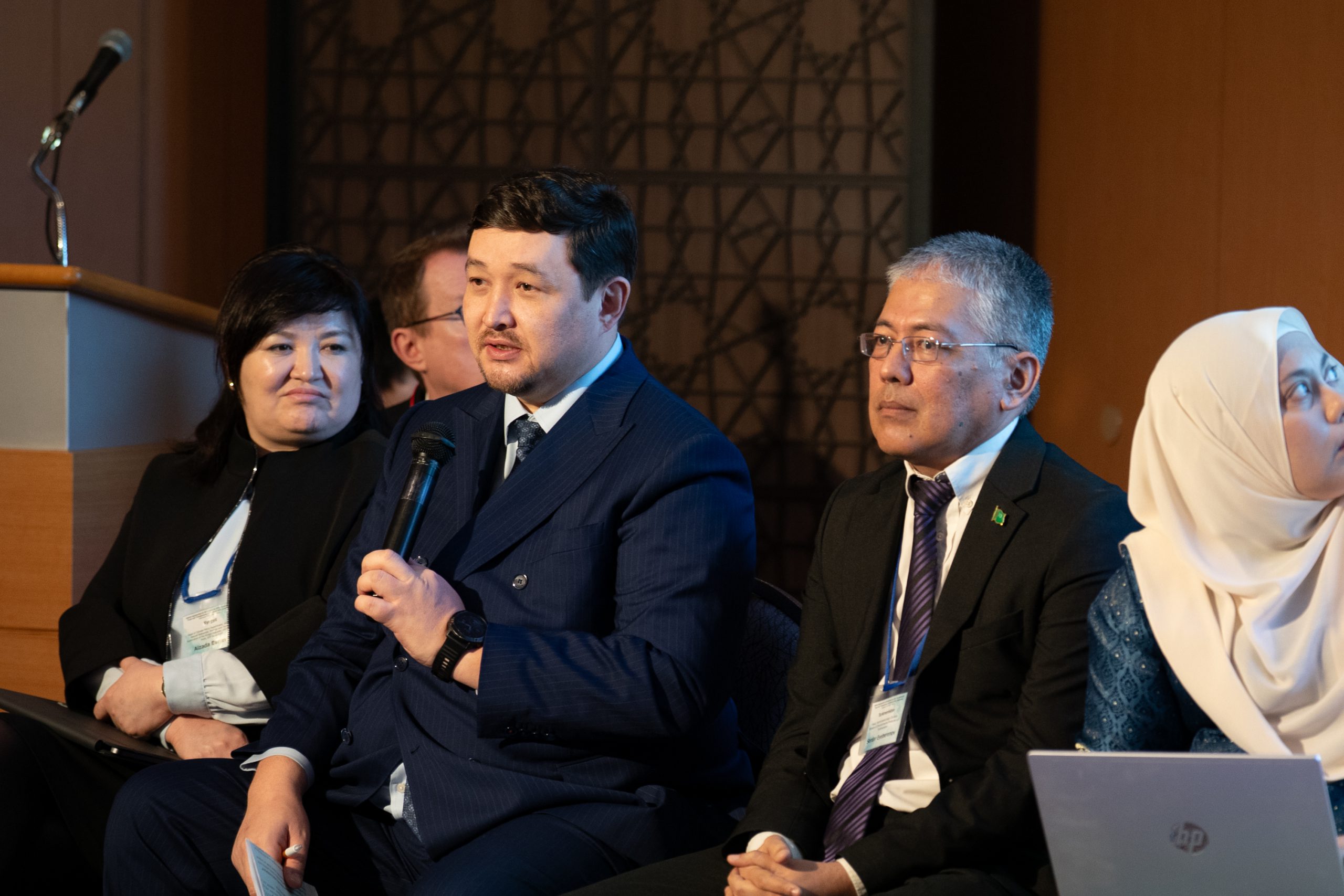
The centerpiece of the visit was the participation of the Kazakh delegation in the international conference “Hybrid Approaches to Standards for BTR Development: Trust and Transparency in National GHG Inventories,” dedicated to advancing hybrid methodologies for Biennial Transparency Reports (BTR) under the Paris Agreement. Kazakhstan introduced its national framework for incorporating satellite data into greenhouse gas inventories to improve the accuracy, transparency, and comparability of climate reporting.
In his opening remarks, Kalkamanov emphasized that hybrid methods combining conventional inventory approaches with satellite observations are becoming an essential component of modern climate policy. According to him, the use of remote sensing data enables regular updates of land-use maps, monitoring of land-use transitions, assessment of the impact of wildfires and ecosystem recovery, analysis of methane emission trends in agriculture, and detection of anomalies linked to livestock dynamics and crop residue burning practices.
Kazakhstan outlined a phased and balanced strategy for satellite data integration, including pilot projects in the Agriculture and LULUCF sectors, further development of the national QA/QC system, and the alignment of atmospheric fluxes with inventory source categories. The approach reflects the country’s commitment to building a science-based and resilient climate reporting system and strengthening international cooperation.
During a panel session on national policy measures for achieving NDC targets, the head of IGTIC presented Kazakhstan’s position on transparency mechanisms, highlighting the Center’s role in promoting practical green technology solutions and in preparing for the Regional Environmental Summit and RES 2026 EXPO as key platforms for implementing climate initiatives in Central Asia.
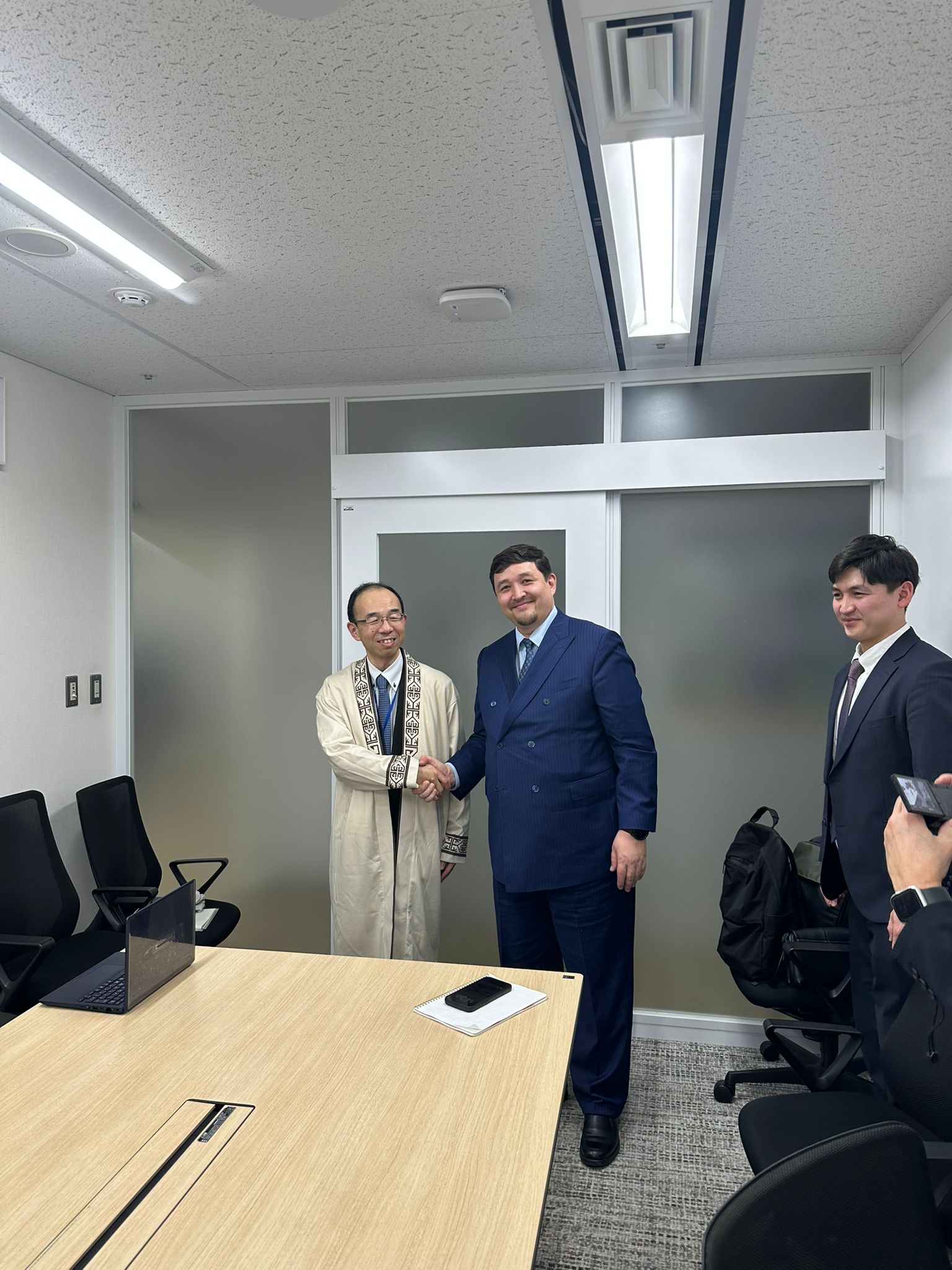
As part of the visit, a meeting was held with Takeshi Sekiya, Director-General of the Global Environment Bureau at Japan’s Ministry of the Environment. The parties discussed the expansion of bilateral cooperation, including the use of GOSAT satellite data for monitoring and verification of greenhouse gas emissions, as well as collaboration under the Joint Crediting Mechanism (JCM). The Japanese side was presented with the concept of RES 2026 and RES 2026 EXPO as practical tools for technology transfer and investment attraction in the region.
A separate round of negotiations focused on engagement with Japanese businesses. Meetings with the management of Finetech Co., Ltd. and Nagashima Holdings Co., Ltd. explored the prospects for joint projects in low-carbon technologies, industrial environmental modernization, and climate investment.
Supporting environmental solutions for Qarmet was identified as a priority area. IGTIC’s expert and international communication platform is being considered as a mechanism for attracting specialized Japanese technology partners, exchanging advanced solutions, and preparing joint projects aimed at reducing environmental impact and improving energy efficiency. This work builds on previously reached agreements and aligns with projects under the JCM framework.
The visit demonstrated strong interest from Japanese government institutions and the private sector in expanding climate-related cooperation with Kazakhstan. The agreements reached provide a foundation for technology transfer, investment inflows, the deployment of low-carbon solutions, and the practical implementation of joint projects contributing to the Sustainable Development Goals.
The initiatives presented by Kazakhstan are also viewed as part of the preparation for the Regional Environmental Summit 2026, which will serve as a key international platform for discussing regional climate solutions and establishing new partnership mechanisms.
More information: https://res2026.kz/
Participation in RES 2026 EXPO:partnership@res2026expo.kz