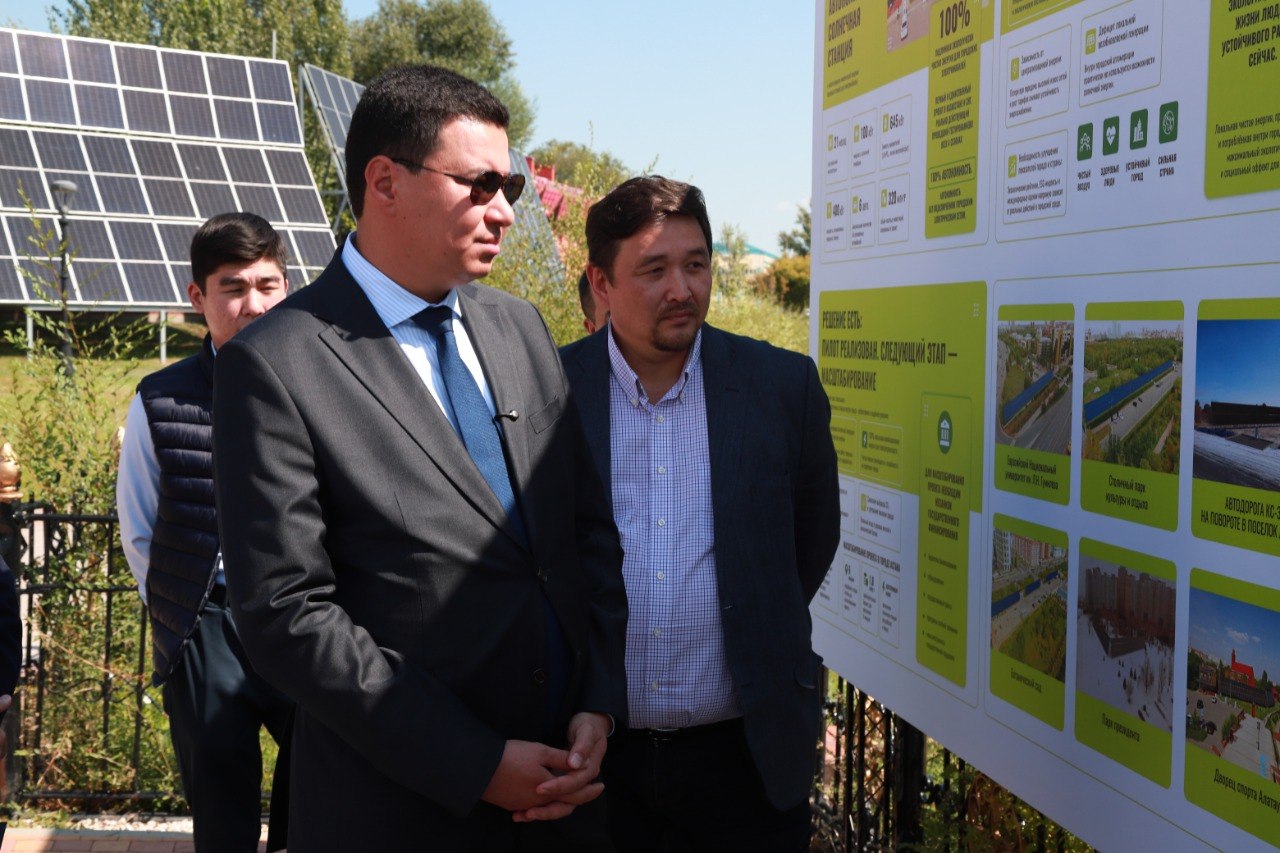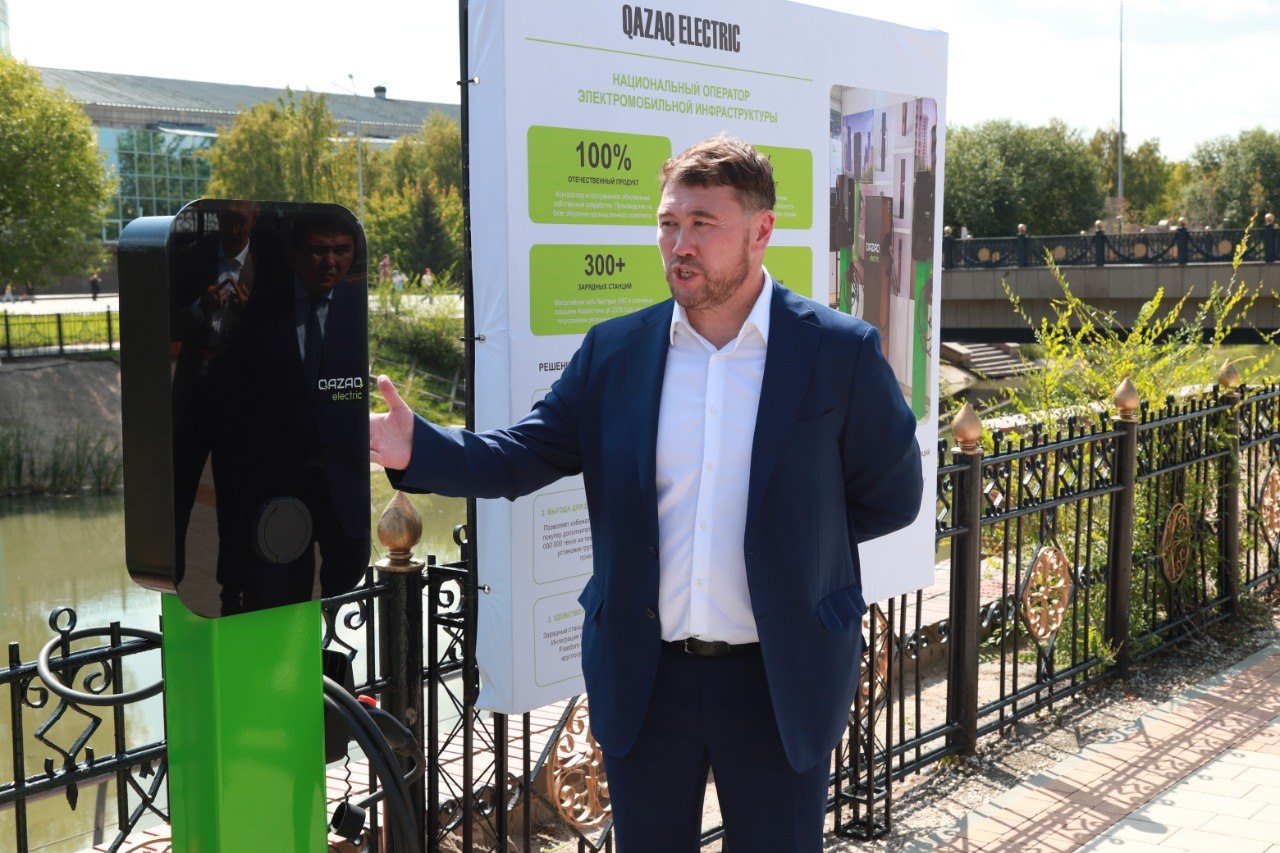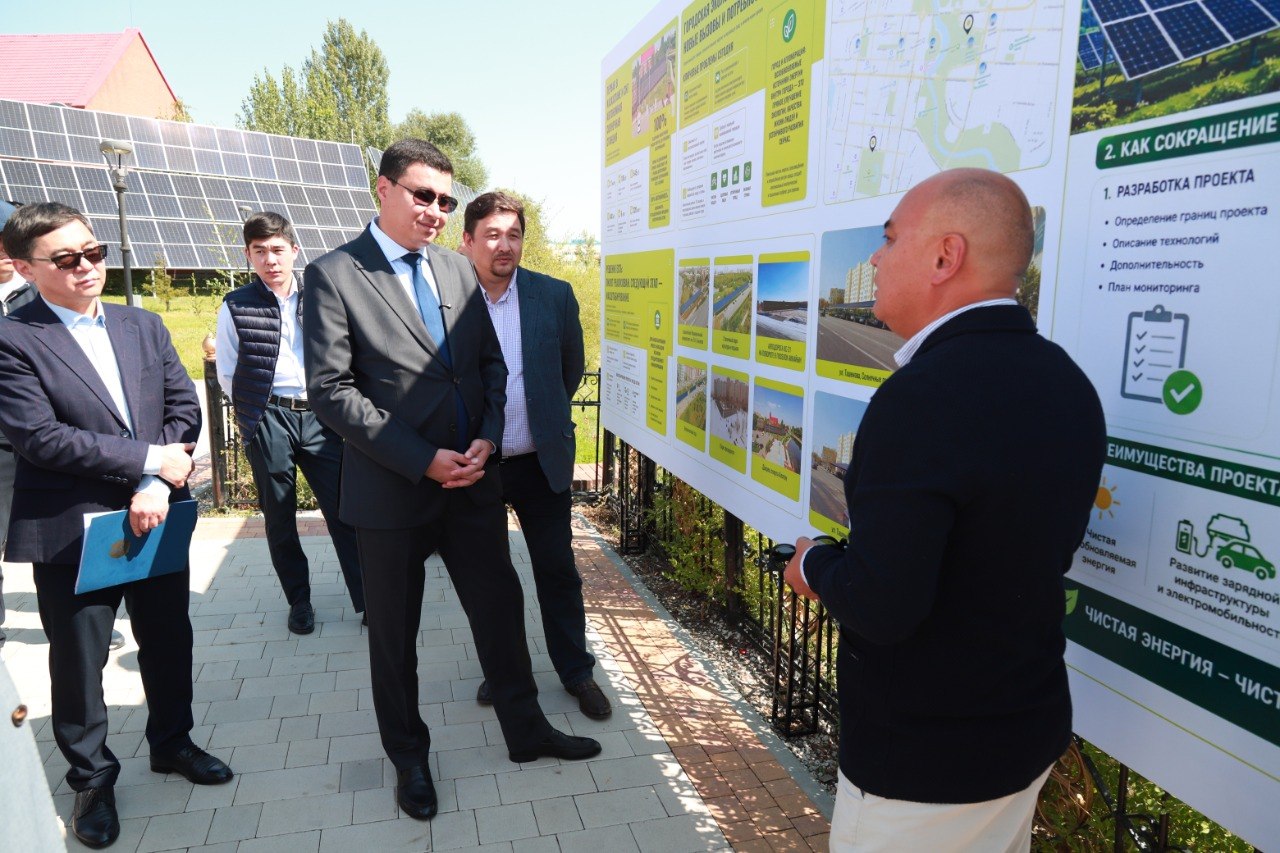

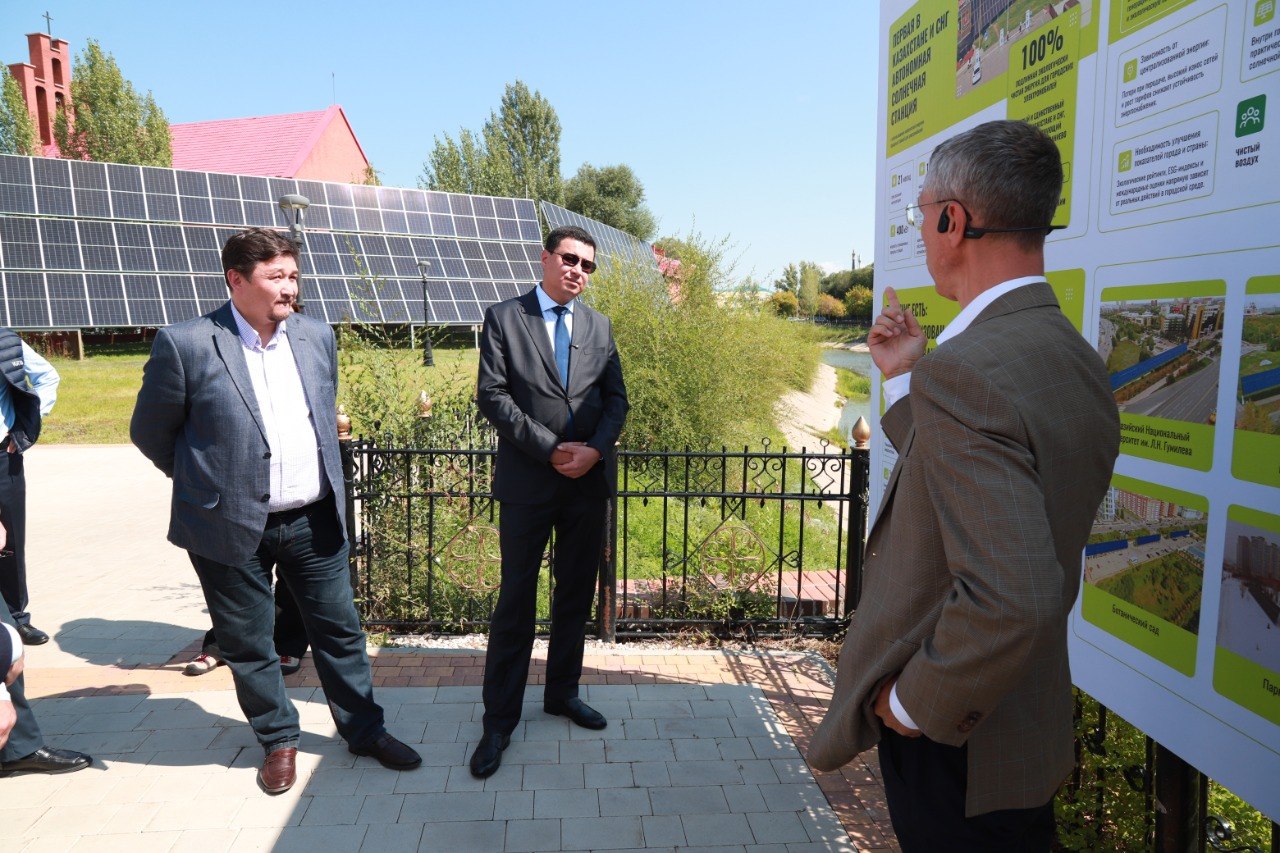
Kazakhstan plans to scale up green-tech solutions nationwide. This was announced during the presentation of the first fully autonomous solar-powered charging station for electric vehicles (EVs) in the Commonwealth of Independent States (CIS), where plans for a large-scale network expansion were unveiled. The Ministry of Ecology and Natural Resources of the Republic of Kazakhstan views the autonomous solar EV charging station as a focal point for scaling green technology solutions across the country.
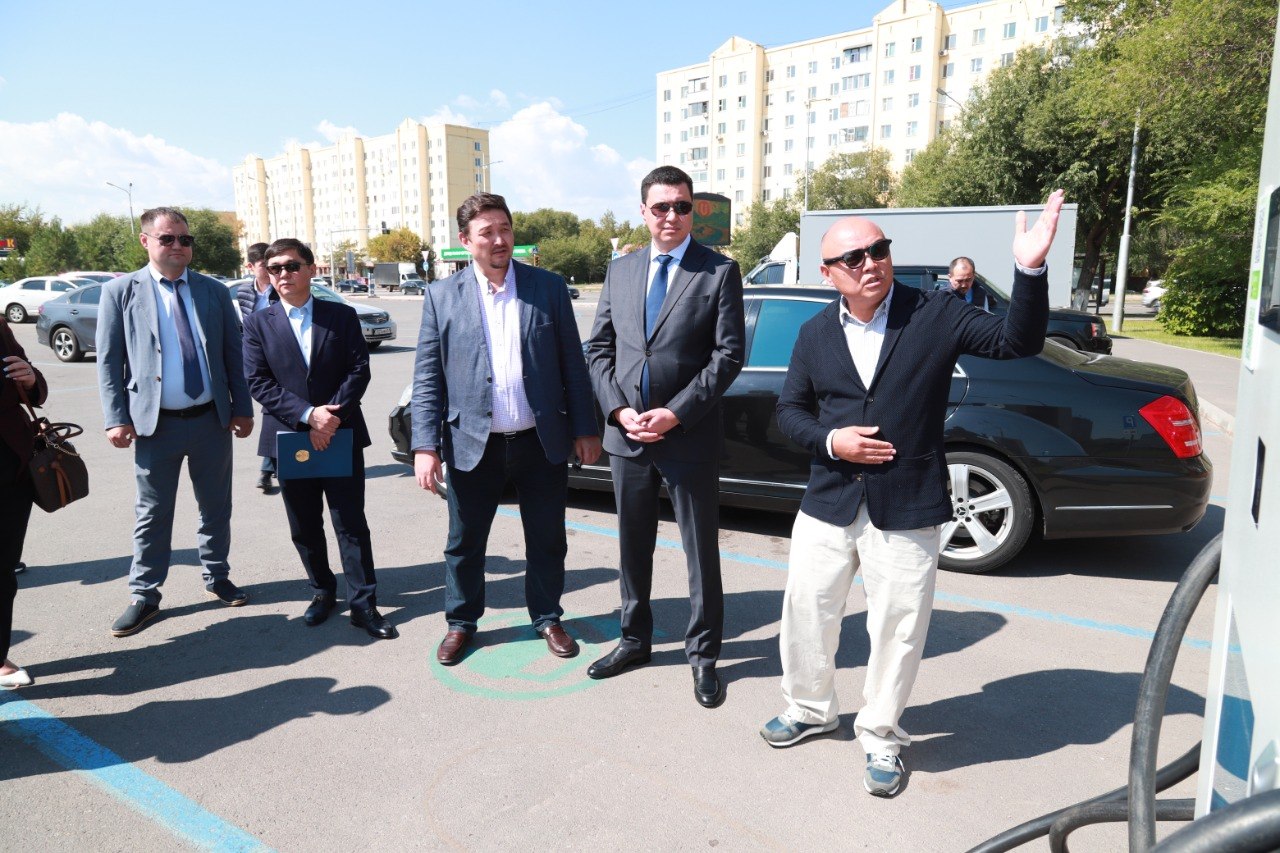
The field working meeting in Astana was chaired by Vice Minister of Ecology and Natural Resources of the Republic of Kazakhstan, Mansur Oshurbayev. The meeting brought together representatives from the Ministry of Transport of the Republic of Kazakhstan, the Akimat of Astana City, JSC “NC “QazAvtoJol”, and the NJSC “International Green Technologies and Investment Projects Center”.
Located at the “Alatau” sports complex, this new green hub was developed by the domestic enterprise “BOLASHAQ POWER” LLC. Operating completely off-grid (independently of municipal power grids), the hub combines a 100 kW solar generation capacity with a 645 kWh energy storage system, fully meeting the criteria of the Green Taxonomy of the Republic of Kazakhstan.
Meeting participants discussed the deployment of similar autonomous stations along key national highways, across major cities, as well as at industrial enterprises and infrastructure facilities.
In his address, Vice Minister of Ecology and Natural Resources of the Republic of Kazakhstan Mansur Oshurbayev emphasized:
“We must create not just isolated green facilities, but an entire infrastructure for a low-carbon economy- where renewable energy, electric transportation, innovative technologies, and carbon projects operate as a unified system. A charging station powered by solar energy enables the simultaneous development of EV infrastructure while reducing the carbon footprint of vehicle operation. Our goal is to transition from standalone demonstration projects to widespread adoption across Kazakhstan’s regions, creating economically attractive conditions for investors.”
The expansion of such a charging network will allow Kazakhstan to build a high-quality portfolio of climate projects under Article 6 of the Paris Agreement, driving private investment and achieving systematic reductions in greenhouse gas emissions within the transport sector.