
PRESS RELEASE
Kazakhstan Seeks Solutions for the Transition to a Circular Economy
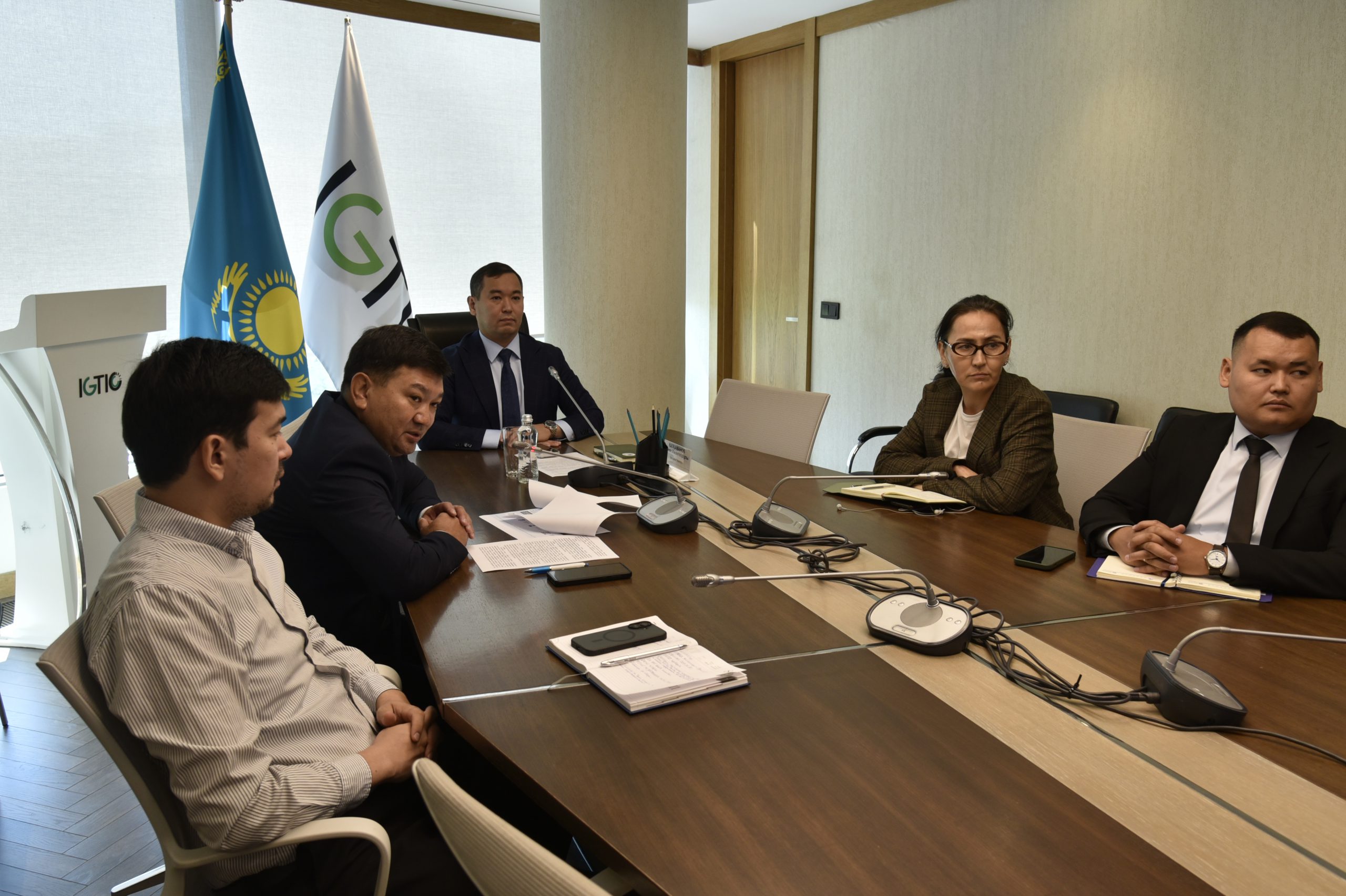
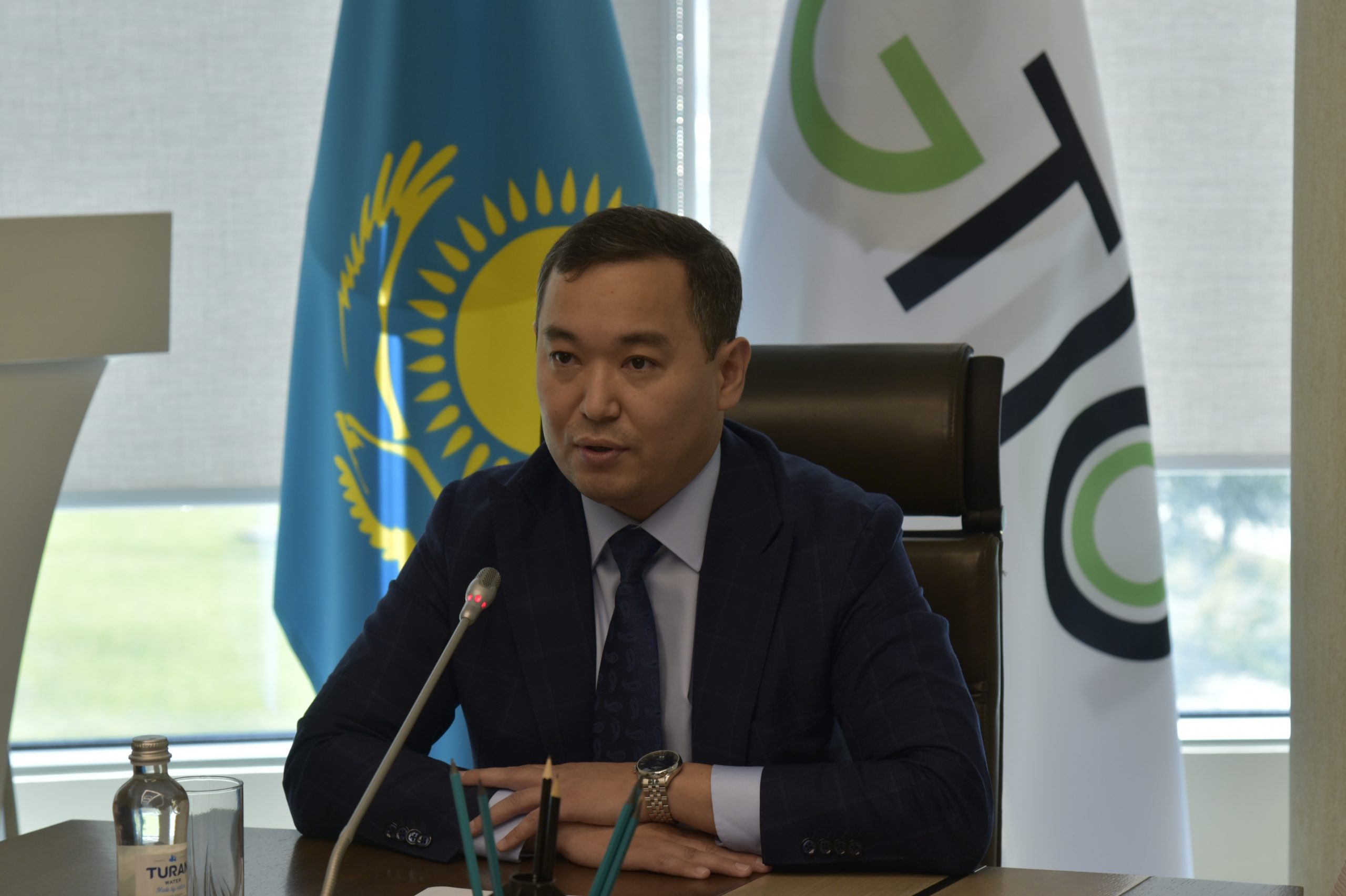
Kazakhstan is seeking practical solutions to move from the accumulation and disposal of industrial waste towards its integration into the economy as secondary resources. This was discussed during the hybrid seminar “Industrial Waste as Secondary Resources: The Role of BAT, Science and Industry,” organized by the NJSC “International Green Technologies and Investment Projects Center” (IGTIC). The discussion brought together representatives of government agencies, industry, academia, engineering organizations and the expert community.
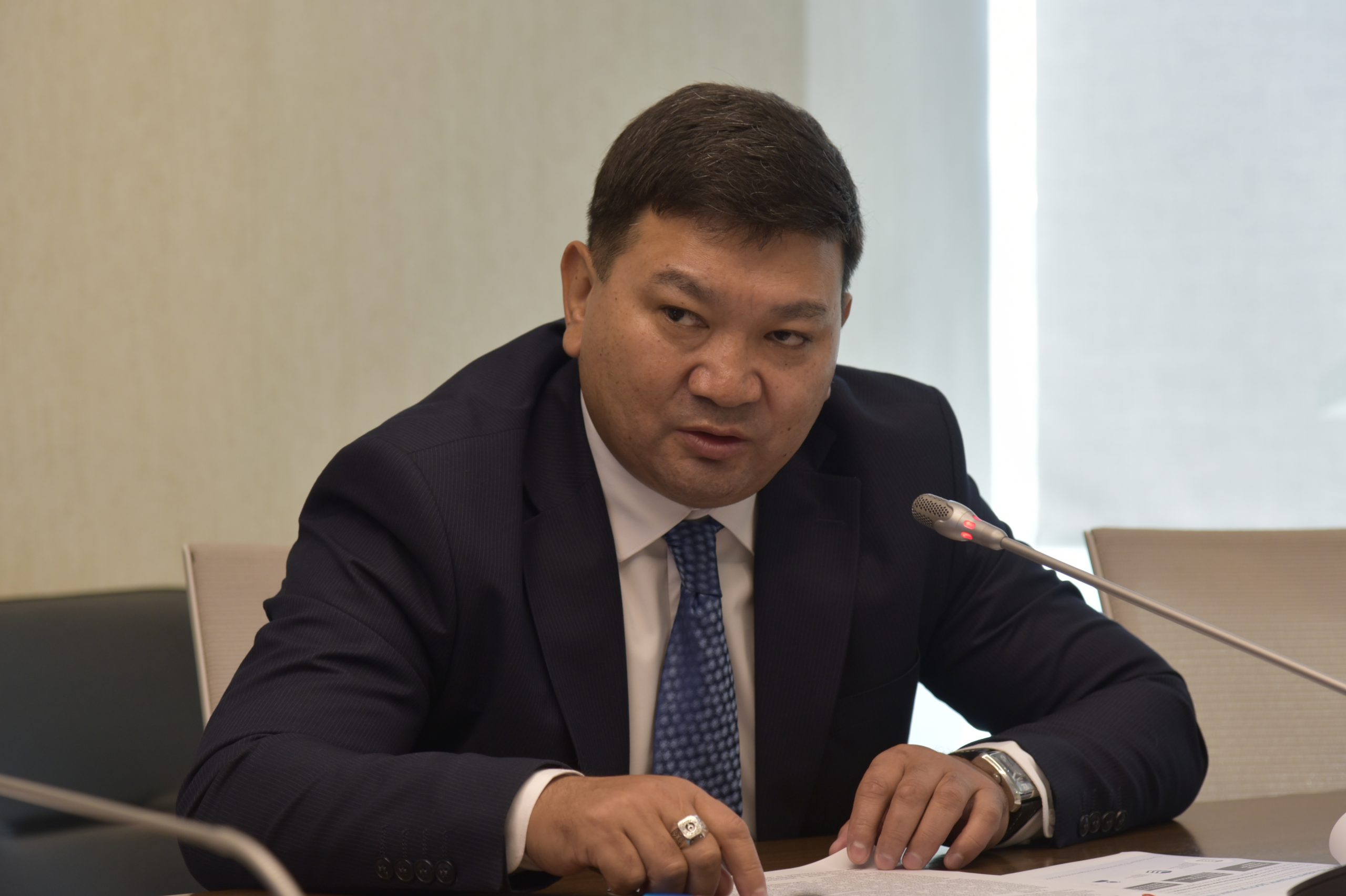
“For Kazakhstan, the issue of efficient waste utilization is particularly relevant. Around 1 billion tonnes of industrial waste are generated in the country every year, while the accumulated volume exceeds 31.6 billion tonnes. A significant portion of these materials has the potential to become a source of secondary raw materials,” said Kairat Masenov, Head of the Bureau of Best Available Techniques (BAT).
Participants identified Best Available Techniques (BAT) as one of the key instruments for the transition to a circular economy. The BAT Bureau of IGTIC develops sector-specific BAT reference documents and provides methodological support for their implementation at enterprises across Kazakhstan.
Experts highlighted the clear legal status of waste as an important prerequisite for developing a secondary resources market. There is a need for criteria that would allow certain types of waste to be reclassified as secondary raw materials, as well as standards and methodologies governing their further use.
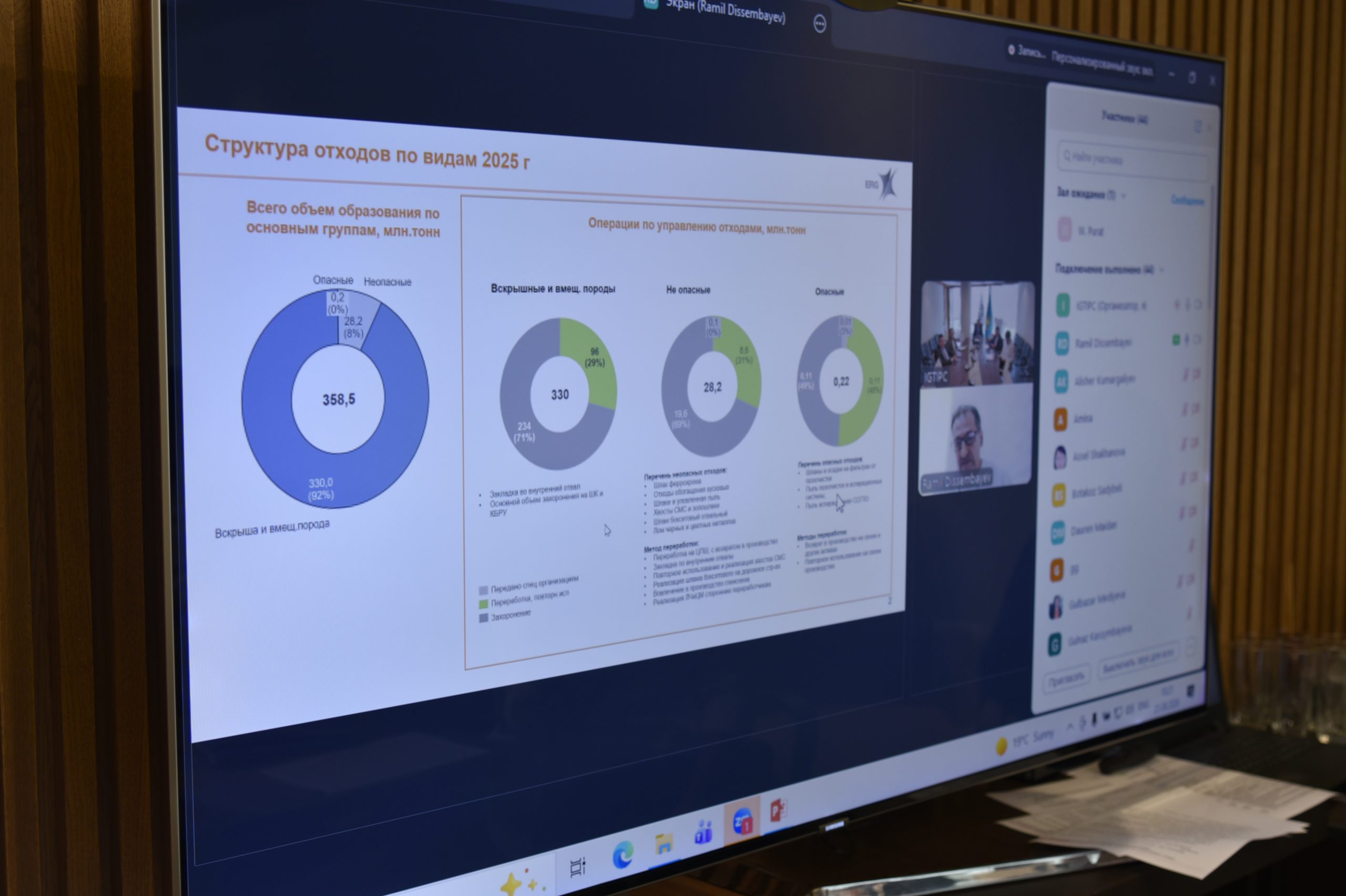
Eurasian Resources Group (ERG) presented its practical experience in integrating industrial waste into the economic cycle. Participants discussed opportunities to scale up such solutions and develop new waste processing technologies.
The digitalization of the secondary resources market was also discussed. One proposal was to create a digital waste profile containing information on waste volumes, composition, resource potential, processing technologies and potential users. Such a system could improve the efficiency of interaction between industrial enterprises and recyclers.
Another priority identified by experts was strengthening the link between science and industry. Pilot and semi-industrial testing is necessary to verify the effectiveness of technologies before they are scaled up. At the same time, the government establishes the regulatory framework, academia provides the evidence base, while businesses contribute through waste inventories, pilot projects and implementation of solutions.
The seminar also addressed the prospects for a national Concept for the Management of All Types of Waste. Key priorities include reliable waste accounting, a clear legal status for secondary resources, and standards governing their use.
Following the discussion, participants emphasized that transforming industrial waste into a resource requires a comprehensive approach that combines BAT, science, industry, digital tools and improvements to the regulatory framework.
For IGTIC, developing this area is not only about reducing environmental pressure, but also about creating a secondary raw materials market in Kazakhstan, improving resource efficiency at enterprises, and unlocking new technological and investment opportunities.