
PRESS RELEASE
Freedom Holding Corp. Presents Blended Climate Finance Cases and Social Initiatives in Kazakhstan at COP31
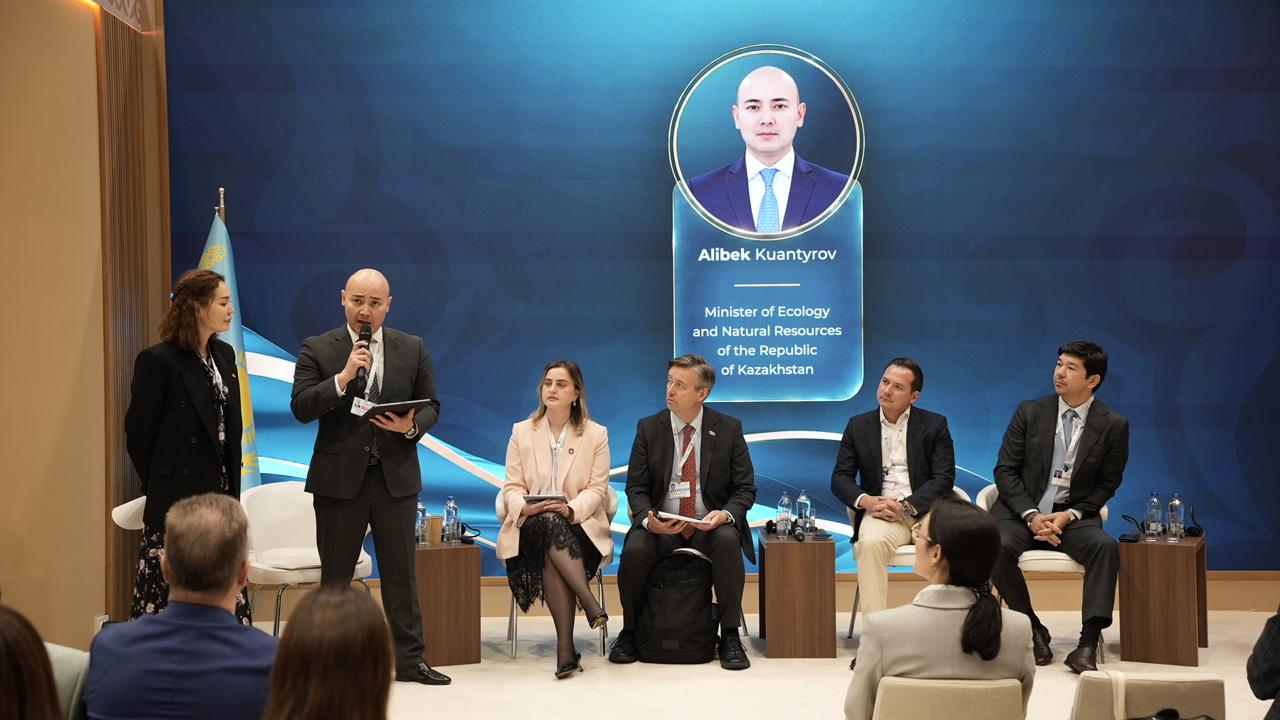
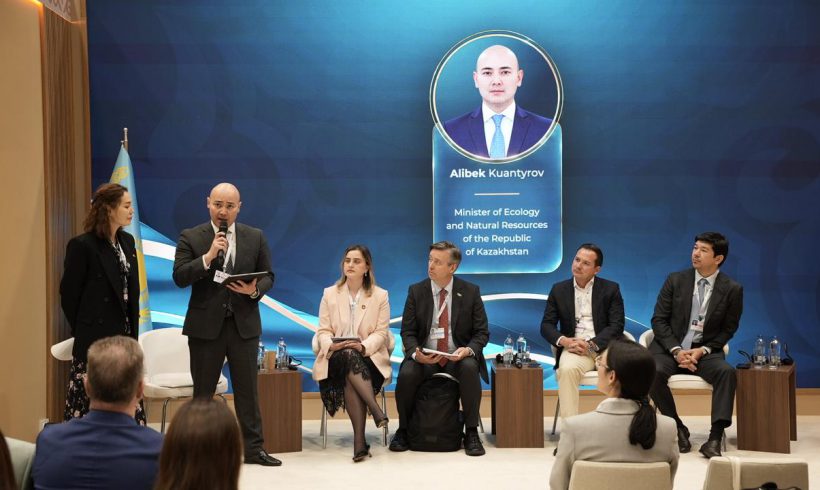
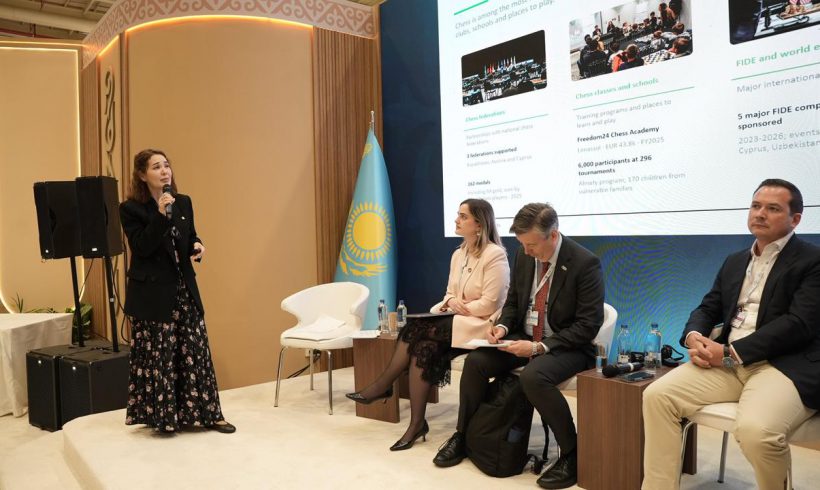
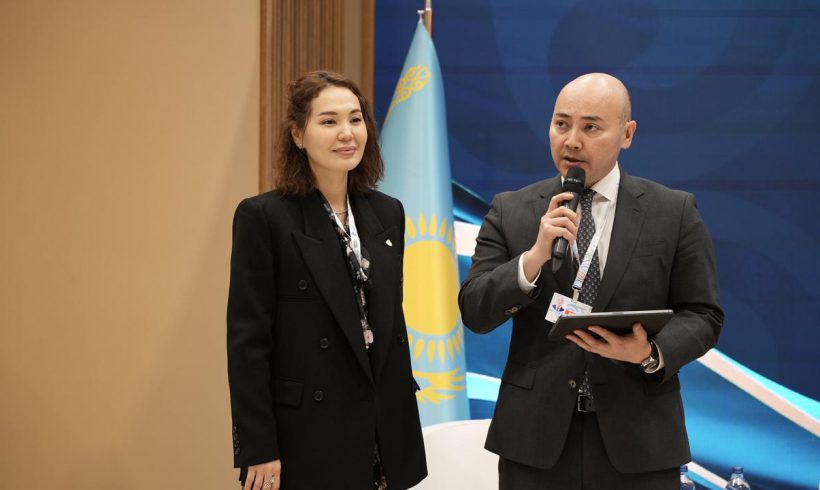
Freedom Holding Corp. shared its practical cases in blended climate finance and social initiatives at COP31 during the panel session titled “From Pledges to Investments: Bringing Sustainable Development to Life.” The event was moderated by Baglana Mussina, Chief Sustainability and External Relations Officer at Freedom Holding Corp., who also served as a keynote speaker.
During her address, Baglana Mussina highlighted the company’s hands-on experience in integrating fintech tools to address regional environmental challenges:
- Aral Sea Ecosystem Restoration: Through the Freedom Shapagat Corporate Fund, the company implemented a pilot project to restore the ecosystem of the dried seabed of the Aral Sea. To leverage blended finance and engage its customer base, Freedom launched the dedicated Araldy Saqta (“Save the Aral”) debit card, which automatically channels cashback toward the region’s restoration.
- Eco Aul Pilot Project: In the village of Zhinishkekum, Kyzylorda Region (Kazakhstan), residents were provided with access to purified drinking water. Additionally, the local school was equipped with solar panels for electricity and connected to high-speed internet via Starlink.
- Turanian Tiger Reintroduction Program: Freedom is implementing a program to reintroduce the Turanian tiger into the Ile-Balkhash Nature Reserve in partnership with the Ministry of Ecology and Natural Resources of the Republic of Kazakhstan and the UNDP. This year, the first two tigers were released into their natural habitat. To further support the initiative, Freedom plans to issue a themed debit card dedicated to the Turanian tiger, featuring a cashback donation mechanism to fund the project.
As a participant in the UN Global Compact, Freedom aligns its operations with the UN Sustainable Development Goals (SDGs). Beyond environmental initiatives, the Freedom Shapagat Corporate Fund manages an extensive portfolio of educational, sports, and cultural projects. Educational programs include grants, scholarships, and mentorship initiatives provided by Freedom across regional universities in Kazakhstan. Furthermore, Teach for Qazaqstan – part of the global Teach for All network – recruits professionals from diverse fields, retrains them, and places them as teachers in regions facing educator shortages.
In the sports sector, the Uni Football League runs inclusive football clubs for children with special needs. Timur Turlov, Chief Executive Officer of Freedom Holding Corp., also chairs the Board of Trustees of the Freedom QJ League (Kazakhstan’s youth football league) and serves as President of both the International Chess Federation (FIDE) and the Kazakhstan Chess Federation (KazChess). Systematic sponsorship from Freedom drives the development of various sports and helps build a strong athletic talent pipeline in Kazakhstan.
More details on all of the holding’s initiatives are available in the annual Sustainability Report published on the company’s official website: freedomholdingcorp.com
“Our core business is providing access to money, markets, and services. However, people’s opportunities directly depend on the state of the environment – when ecosystems degrade, public health and livelihoods suffer. Our experience proves that combining corporate resources, fintech infrastructure, and customer engagement makes it possible to launch tangible, high-impact projects. The next step is scaling these solutions in partnership with international climate finance institutions,” noted Baglana Mussina, Chief Sustainability and External Relations Officer at Freedom Holding Corp.
The panel discussion brought together representatives from international climate finance institutions (including the Green Climate Fund), the UN Global Compact, financial infrastructure organizations, and business consultancies. Participants explored mechanisms for transforming environmental and social commitments into bankable, investment-attractive projects capable of delivering long-term value to both society and business.
Session participants agreed that synergy between private capital, UN institutional expertise, and government support is the key driver for moving from climate declarations to measurable impact on the ground.