
PRESS RELEASE
Kazakhstan Prepares New Climate Projects to Attract International Investment
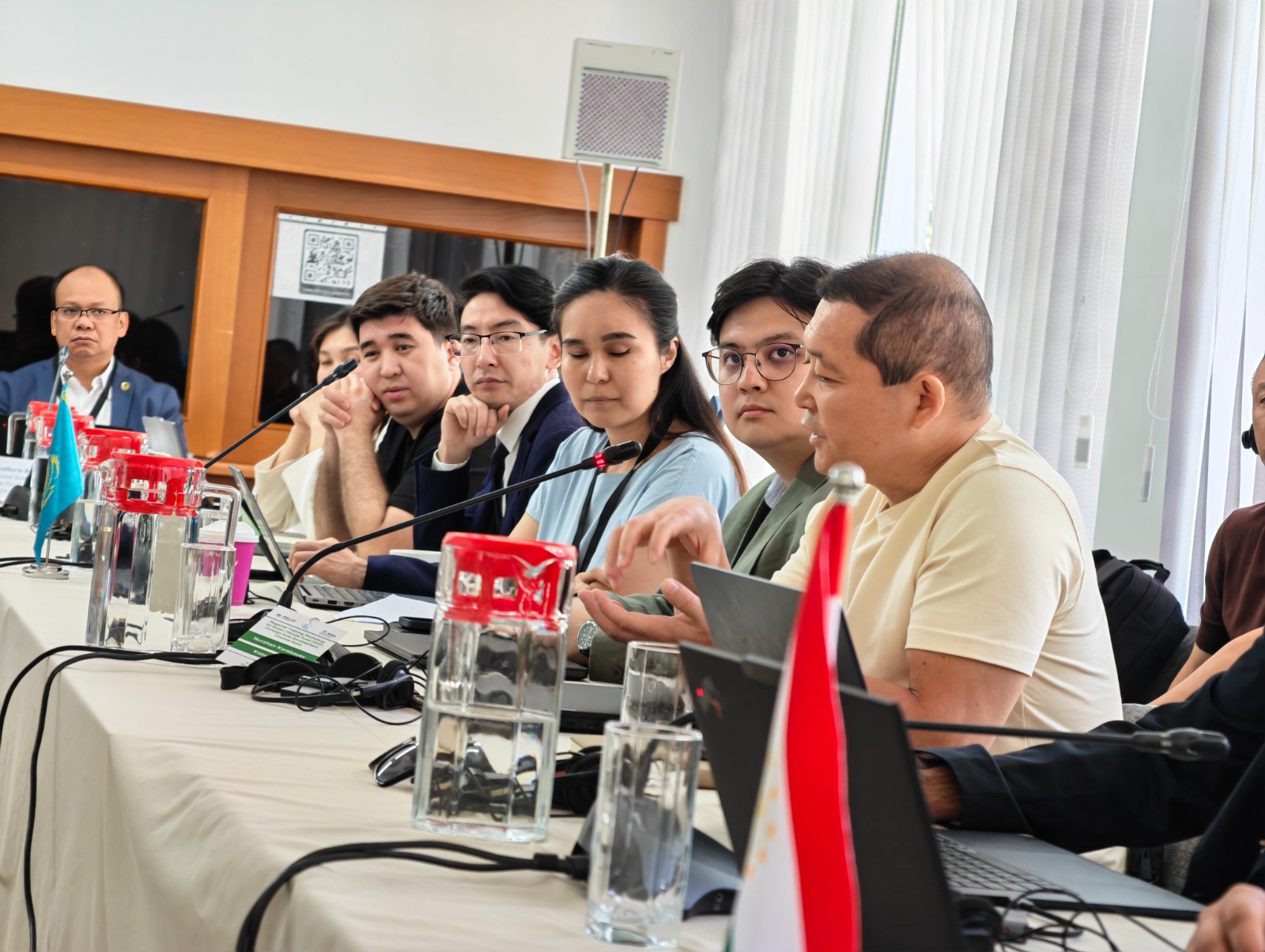
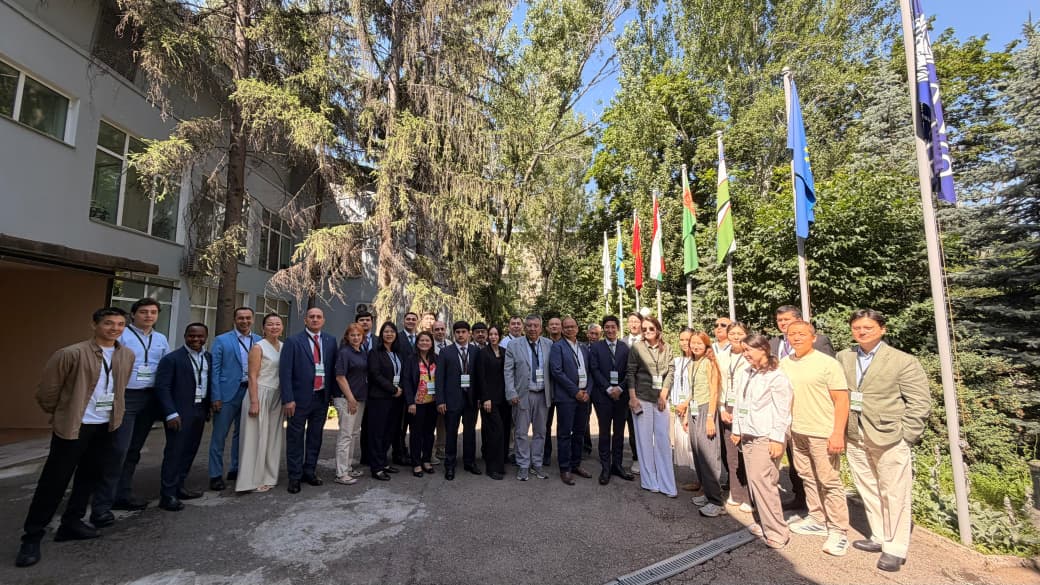
Representatives of the International Green Technologies and Investment Projects Center (IGTIC) are participating as part of the Kazakh delegation in the Regional Training Workshop on Developing Green Climate Fund (GCF) Concept Notes for Central Asian Countries. The event is being held in Almaty from June 9–12, 2026, and brings together representatives of government agencies, accredited organizations, and international experts working to mobilize climate finance for sustainable development projects across the region.
The workshop is organized by the Regional Resource Center for Asia and the Pacific of the Asian Institute of Technology (AIT RRC.AP) and the Regional Environmental Centre for Central Asia (CAREC), with financial support from the Ministry of the Environment of Japan and in partnership with the Green Climate Fund Secretariat, as well as the Ministry of Ecology and Natural Resources of the Republic of Kazakhstan.
The Kazakh delegation includes experts from IGTIC. The primary objective of the four-day intensive training program is to strengthen the capacity of Central Asian countries to develop high-quality project proposals for Green Climate Fund financing—the world’s largest funding mechanism dedicated to supporting climate action initiatives.
Throughout the workshop, participants are exploring the GCF’s financing architecture and funding mechanisms, mastering modern project appraisal tools, developing theories of change for future programs, and gaining practical knowledge of the Fund’s requirements regarding environmental and social safeguards, gender policy, and private-sector engagement. Particular emphasis is placed on project preparation under the Simplified Approval Process (SAP), which facilitates faster access to international climate finance for promising environmental initiatives.
The practical component of the program focuses on the development of preliminary concept notes using the new GCF template, risk assessments, and the design of logical framework models for projects. The resulting materials will serve as a foundation for expanding the portfolio of green investment projects in Kazakhstan and across Central Asia. According to participants, involvement in international capacity-building programs of this kind not only strengthens national expertise in climate finance but also enhances the country’s readiness to attract large-scale international investments for projects related to decarbonization, climate change adaptation, and the deployment of clean technologies.
The knowledge and practical tools acquired during the workshop will be utilized in the preparation of new climate initiatives capable of securing funding from international financial mechanisms and accelerating Kazakhstan’s transition toward a low-carbon and climate-resilient future.