
БАСПАСӨЗ РЕЛИЗІ
Қазақстан көміртегі жобаларын дамытудың жаңа мүмкіндіктерін ашады
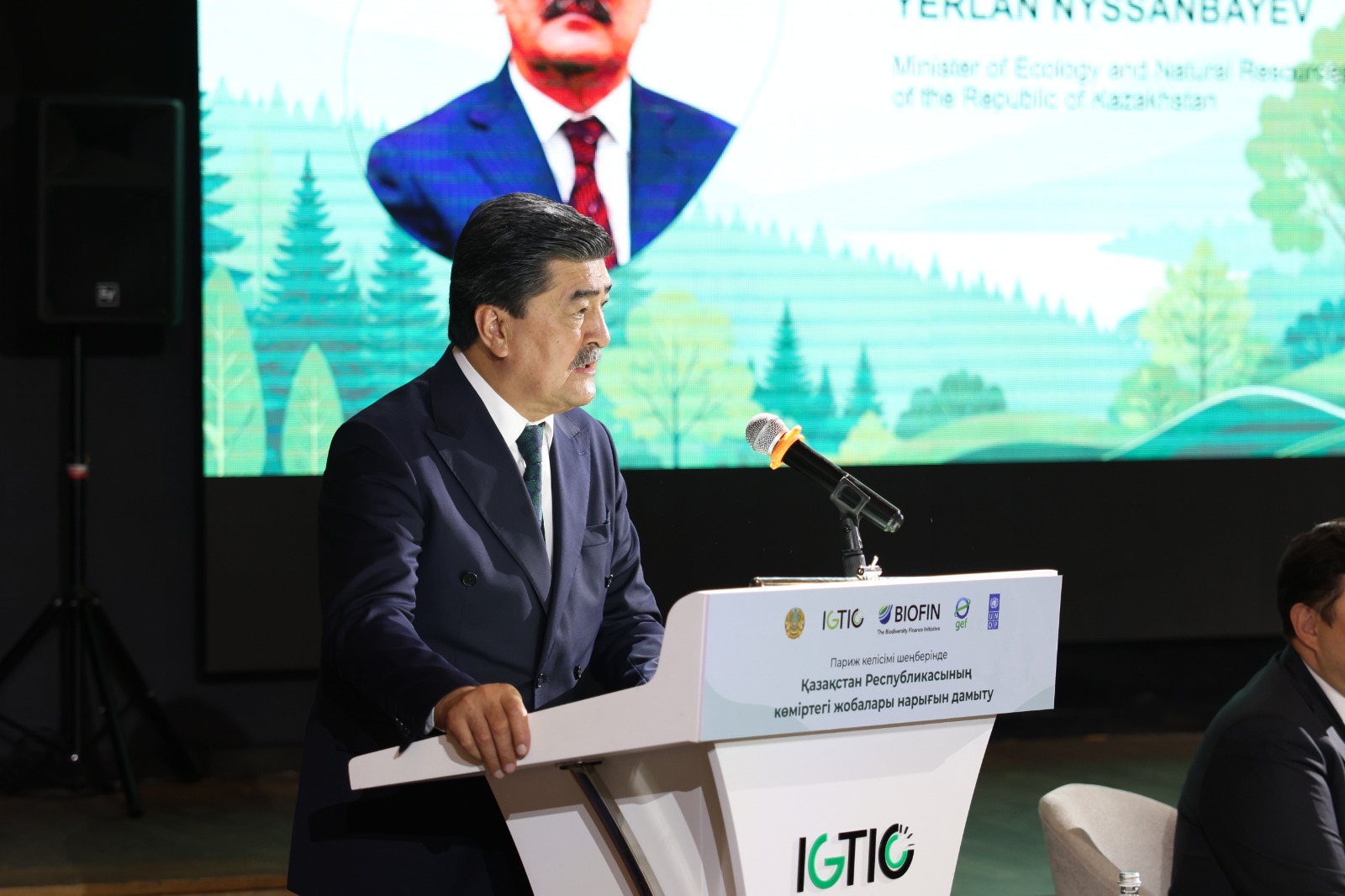
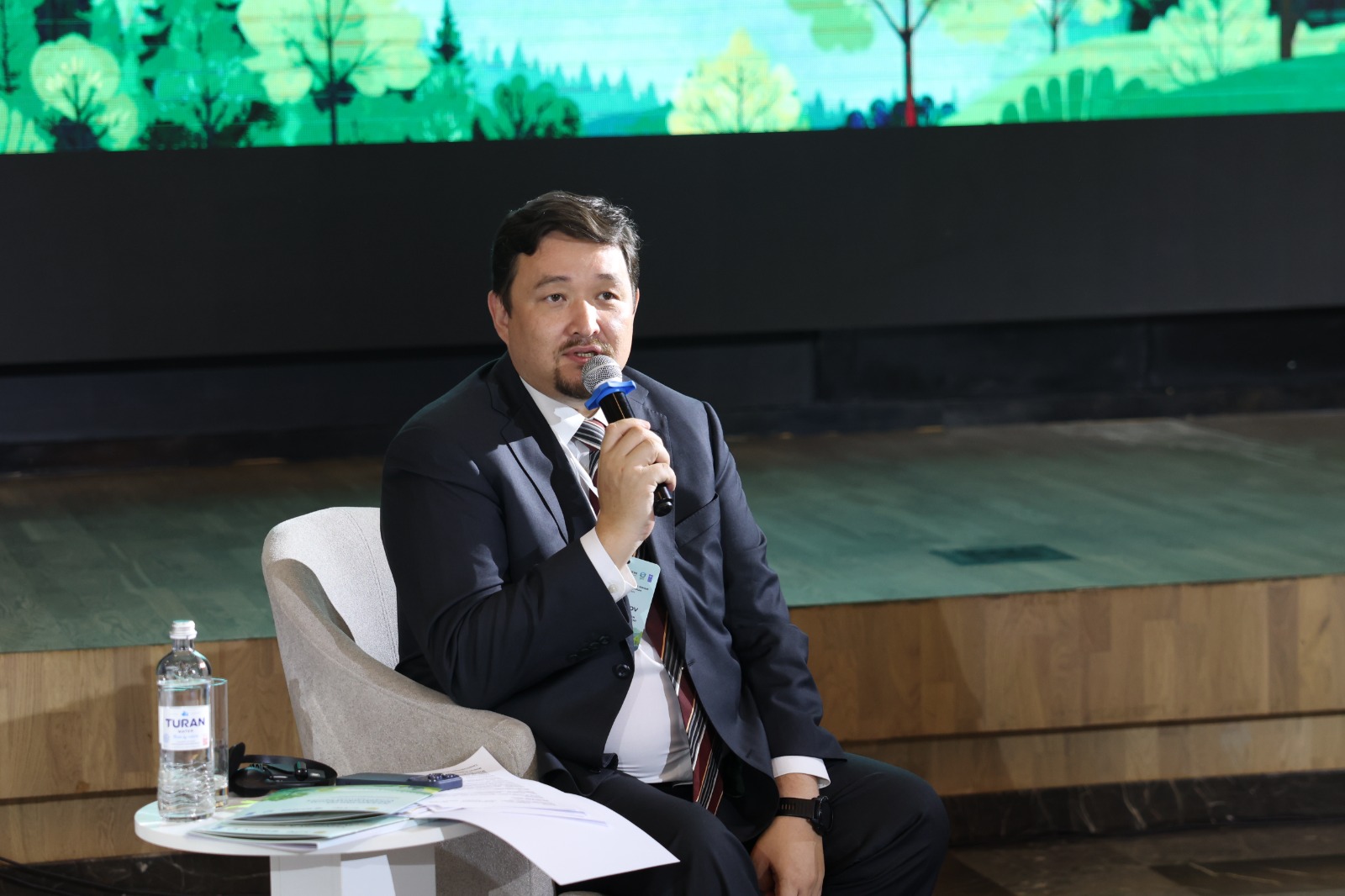
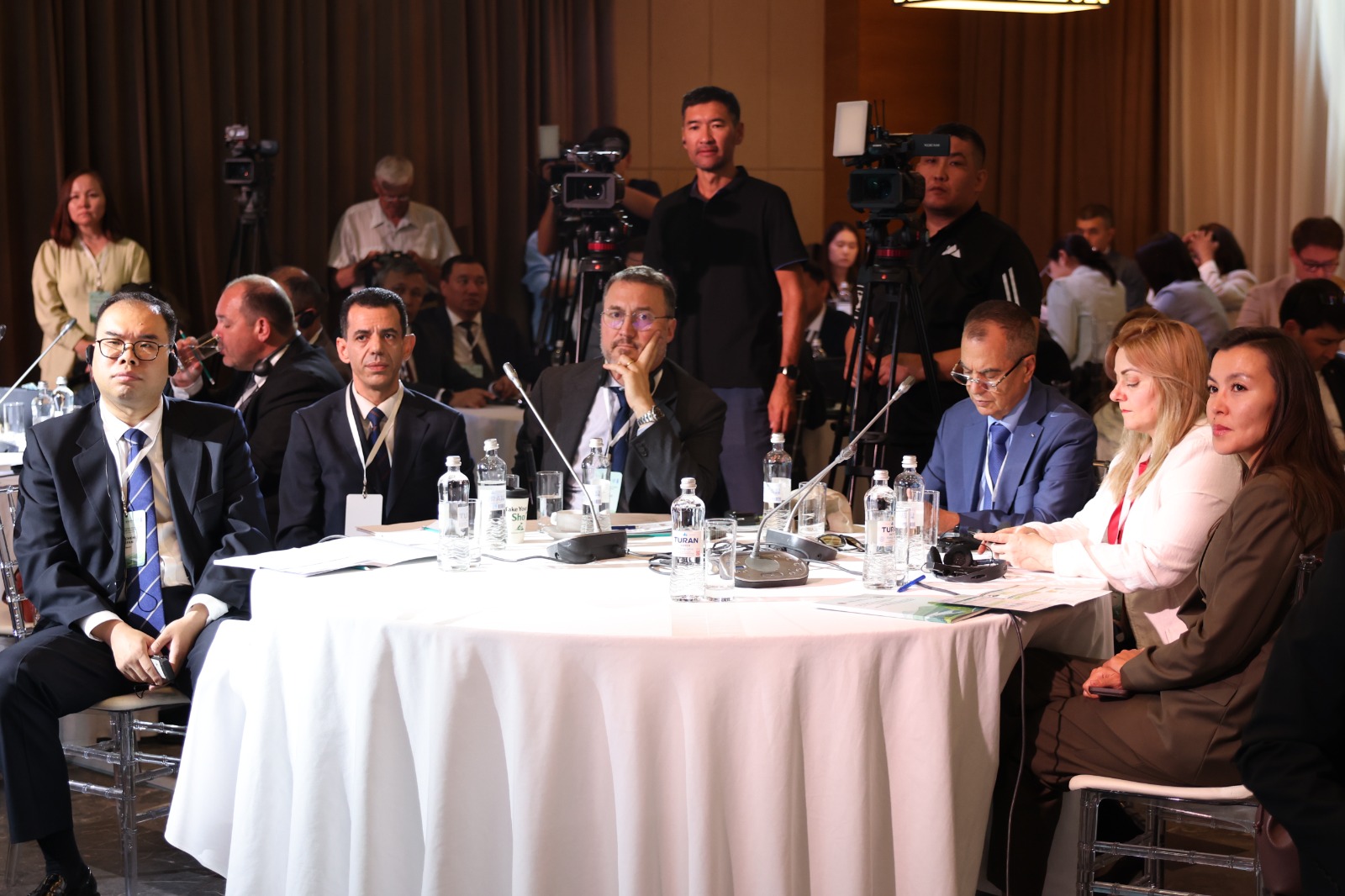
A two-day event dedicated to the development of carbon projects in Kazakhstan under the Paris Agreement is taking place in Astana. The event brings together representatives of government agencies, international organizations, financial institutions, businesses, project developers, and experts.
The event is organized by the Ministry of Ecology and Natural Resources of the Republic of Kazakhstan, in cooperation with the United Nations Development Programme (UNDP) in Kazakhstan and NJSC “International Green Technologies and Investment Projects Center” (IGTIC).
Kazakhstan is creating conditions for the development of modern climate projects and the attraction of international investment. These include projects aimed at reducing greenhouse gas emissions or increasing carbon removals, including through afforestation and other nature-based solutions.
As part of the event, participants were introduced to the new rules for implementing carbon projects in Kazakhstan and learned how such projects can participate in the international carbon market in accordance with Article 6 of the Paris Agreement.
Particular attention was paid to project requirements, government authorization, accounting of mitigation outcomes, monitoring, and independent verification. These measures are essential to ensure that carbon projects are transparent, credible, and compliant with international requirements.
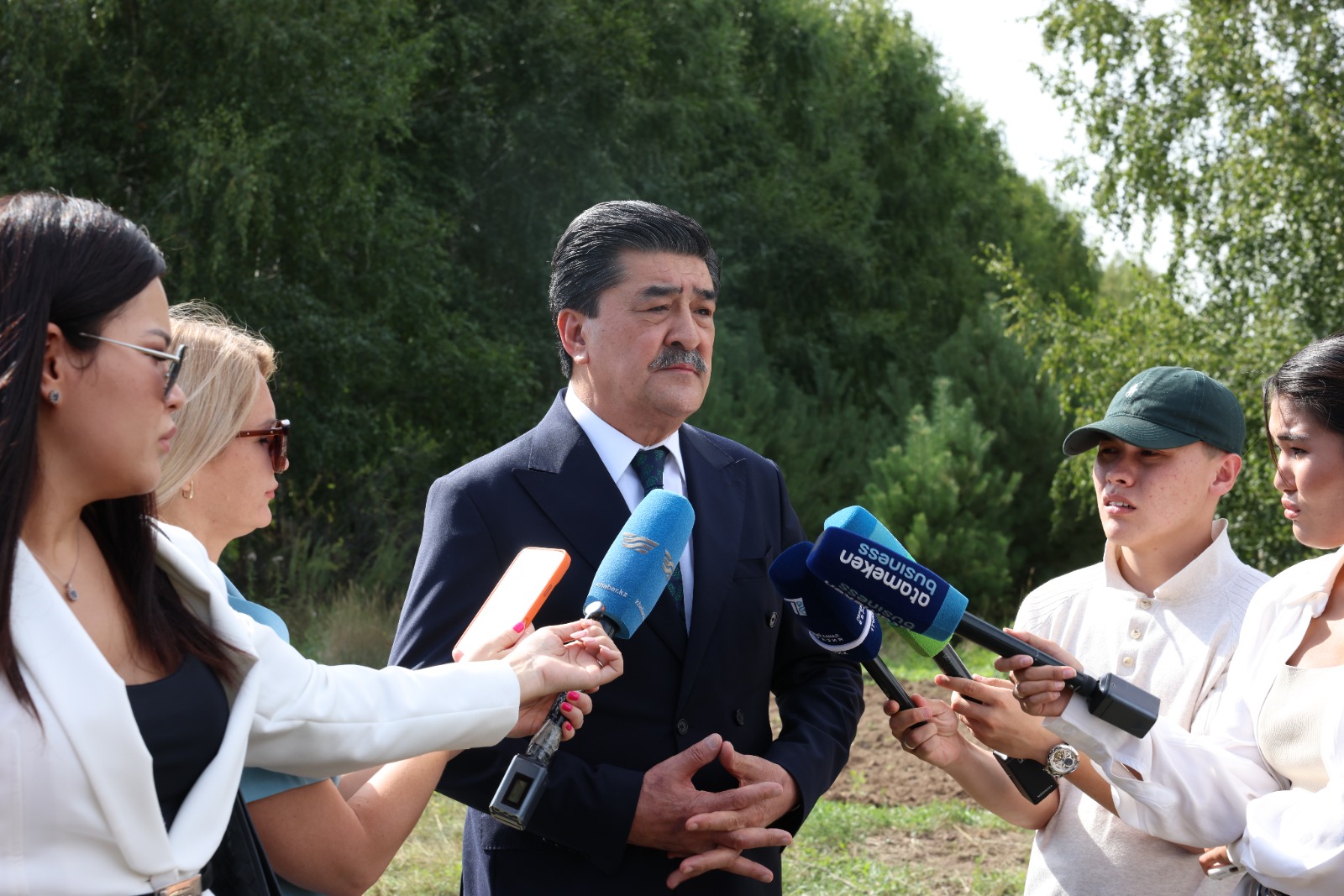
“Participation in the market mechanisms of the Paris Agreement opens up new opportunities for the country to attract investment in climate projects and achieve its national climate goals,” said Yerlan Nysanbayev, Minister of Ecology and Natural Resources of the Republic of Kazakhstan.
The event also featured international experience in implementing climate projects, as well as examples of projects implemented by UNDP in Kazakhstan with the support of the Global Environment Facility (GEF) and the Biodiversity Finance Initiative (BIOFIN).
The practical part of the programme included group sessions and discussions of specific cases involving cooperation between government authorities, investors, and climate project developers.
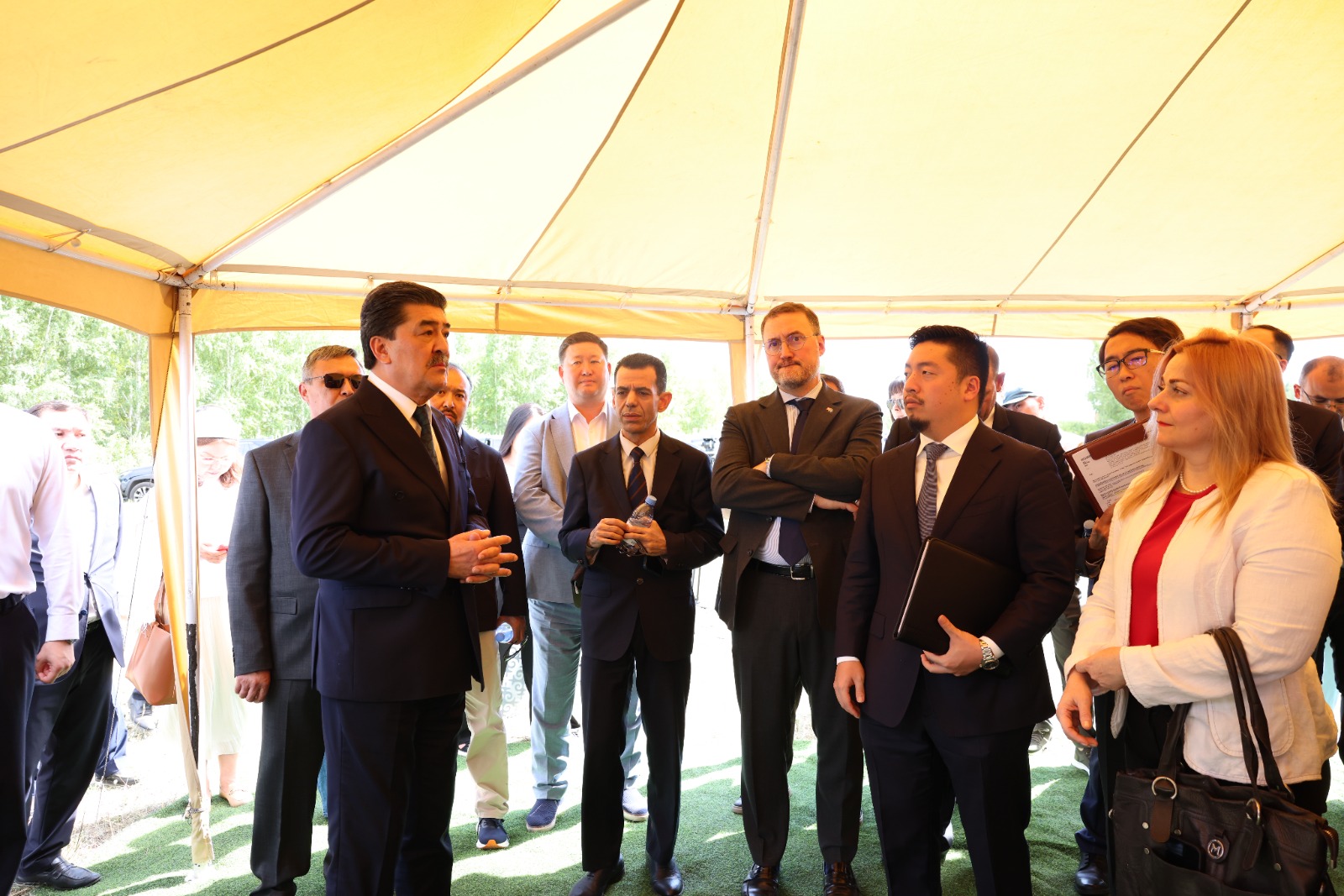
One of the key events was the presentation of potential forest areas for the implementation of carbon projects. Participants also visited the Astana Green Belt, which demonstrates existing afforestation experience aimed at increasing carbon removals, improving the urban environment, and enhancing ecosystem resilience.
An important milestone was the adoption of amendments to the Environmental Code of the Republic of Kazakhstan on July 8, 2026, along with the development of the necessary secondary legislation. The new rules establish clear conditions for implementing carbon